
Wood Chips vs Chunks vs Pellets: What Actually Adds Smoke
Match the wood to your cooker — and learn why more smoke is usually worse, not better.
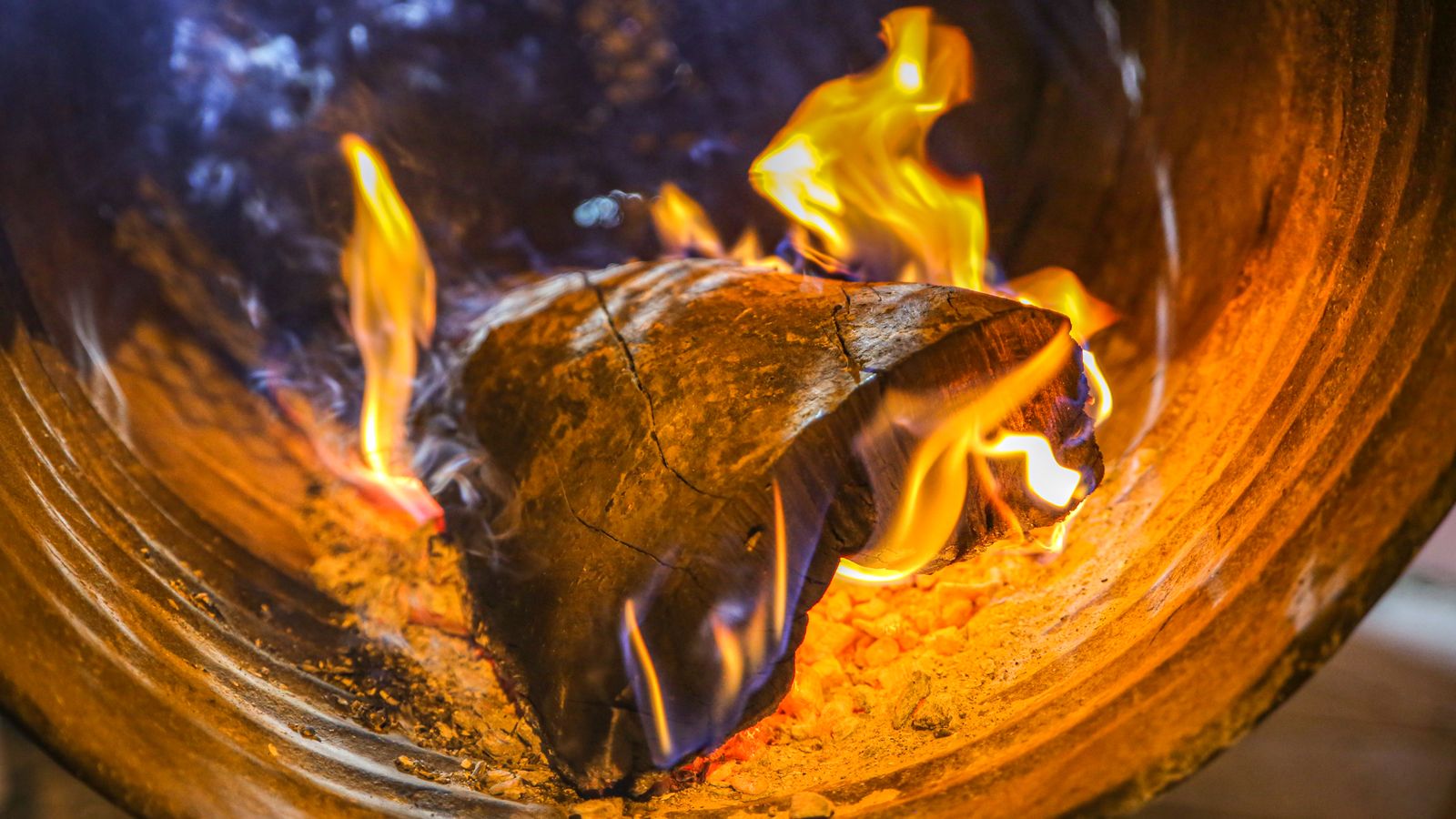
You're standing in the hardware store staring at a wall of wood — bags of chips, boxes of fist-sized chunks, forty-pound sacks of pellets — with no idea which one your grill actually wants, or whether the difference even matters. It does, and it's simpler than the shelf makes it look: the right format depends on what you're cooking on and how long the cook is, and the right amount is almost always less than you think.
Match the wood format to your cooker: chips for short cooks and gas grills, chunks for long cooks on charcoal, pellets for pellet grills that feed them automatically. And the golden rule of smoke — chase thin, wispy blue smoke you can barely see, not thick white billows. More smoke is not better; it's bitter.
The three formats, and how each burns
Chips, chunks, and pellets are all just wood — the difference is size, which decides how fast they ignite and how long they smoke.
- Chips are small and thin, so they ignite fast and burn out fast — usually within 20 to 30 minutes. That makes them perfect for short cooks and for adding smoke to a gas grill, where you can't bury wood in coals.
- Chunks are fist-sized blocks that catch slowly and smolder a long time — an hour or two each. They're built for long cooks over charcoal: bury a couple in the coals and they'll smoke for hours. This is what you want for brisket, pork shoulder, and ribs.
- Pellets are compressed sawdust made specifically for pellet grills that auger them into a burn pot automatically. Convenient and consistent, but only useful if you own the grill built to feed them — they're not a loose-wood substitute.
Match the wood to your cooker
- Gas grill: use chips in a foil packet (poke a few holes) or a smoker box, set right over a lit burner so they get hot enough to smolder. Good for a quick hit of smoke on chicken, fish, or burgers.
- Charcoal grill or smoker: use chunks, buried in or set beside the lit coals. For a long cook, space a few out so they catch one after another and keep the smoke going.
- Pellet grill: use food-grade pellets in the hopper, and just pick the wood species you want.
Which wood — the species matters too
Beyond the format, the type of wood sets the flavor, from mild to bold:
- Fruit woods (apple, cherry, peach): mild and slightly sweet. Great on poultry and pork, and forgiving if you use a touch too much.
- Hickory: the classic barbecue wood — stronger, almost bacon-y. Excellent on pork and ribs; easy to overdo.
- Oak: medium, clean, and steady. The backbone wood for brisket and big beef, and a safe all-rounder.
- Mesquite: the strongest and fastest-burning. Big, earthy flavor that's fantastic on beef in short bursts but turns harsh and bitter over a long cook — use it sparingly.
When in doubt, oak or a fruit wood is hard to mess up. Save mesquite for hot-and-fast beef.
The mistake almost everyone makes: too much smoke
This is the big one. Beginners load up on wood thinking more smoke means more flavor, and end up with meat that tastes like an ashtray. Thick, billowing white or gray smoke is dirty smoke — full of unburned particles that coat your food in bitter, acrid, creosote flavor. What you're after is thin, wispy, almost-blue smoke you can barely see, the mark of a clean-burning fire. The fixes are simple: use less wood than feels right, and give your fire plenty of airflow so the wood burns clean instead of smoldering and choking.
When does the meat take smoke?
Meat absorbs smoke best early in the cook, while the surface is still cool and damp — that's when smoke sticks, forms the ring, and lays down flavor. Once the surface dries and the bark sets, it takes on very little more. So front-load your wood in the first few hours; piling on more smoke at the end mostly just makes the exterior bitter without adding much.
Skip: Soaking your wood chips first — it's a myth. Wet wood doesn't make more smoke; it just sits there making steam until the water finally cooks off, then it burns like dry wood anyway. All you've done is drop your fire's temperature and delay the actual smoking. Use them dry.
Keep going
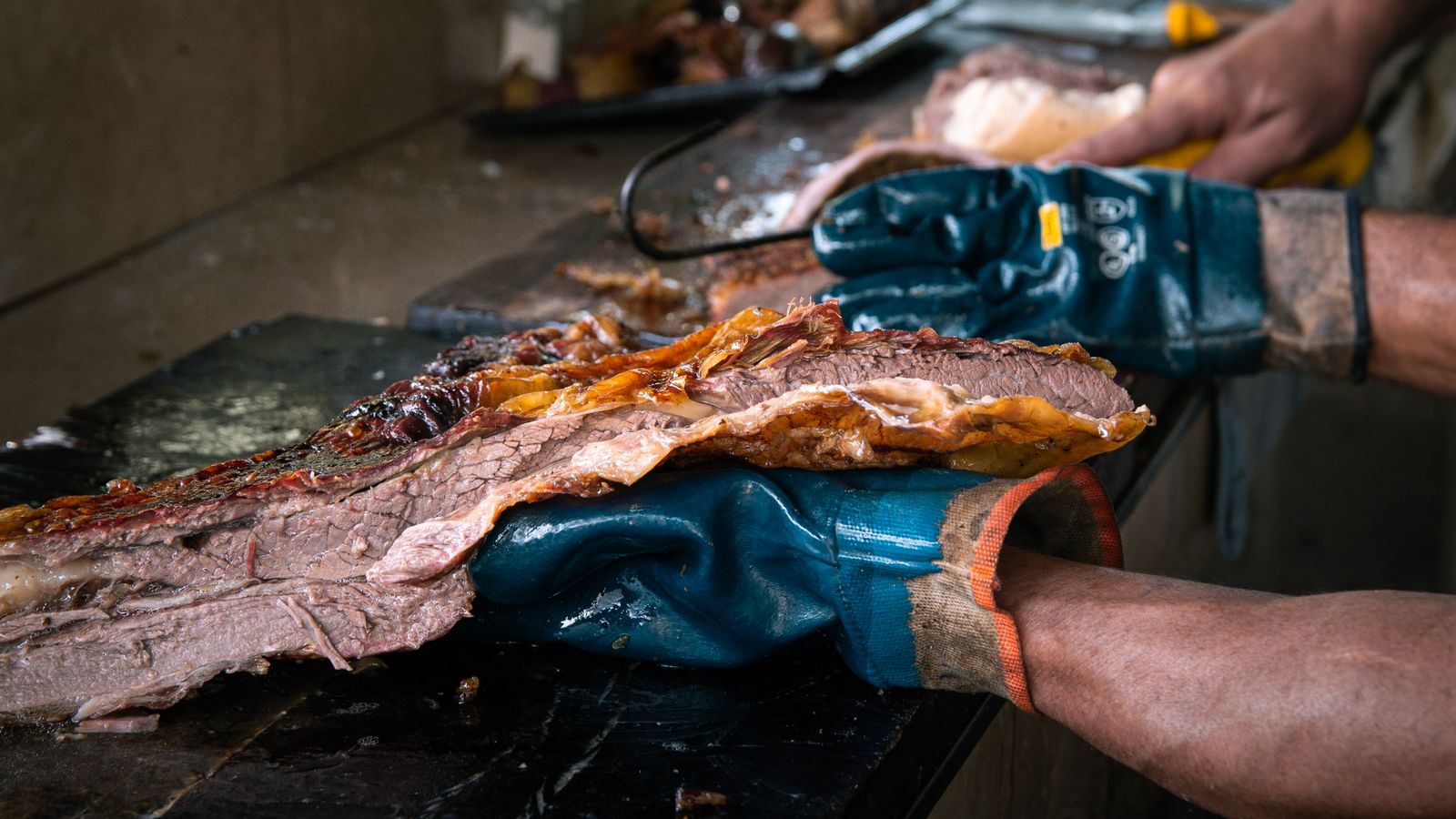
What 'The Stall' Is — and Why Wrapping Fixes It
Your smoke hits 160°F and just… stops for hours. Here's what's happening and what to do.
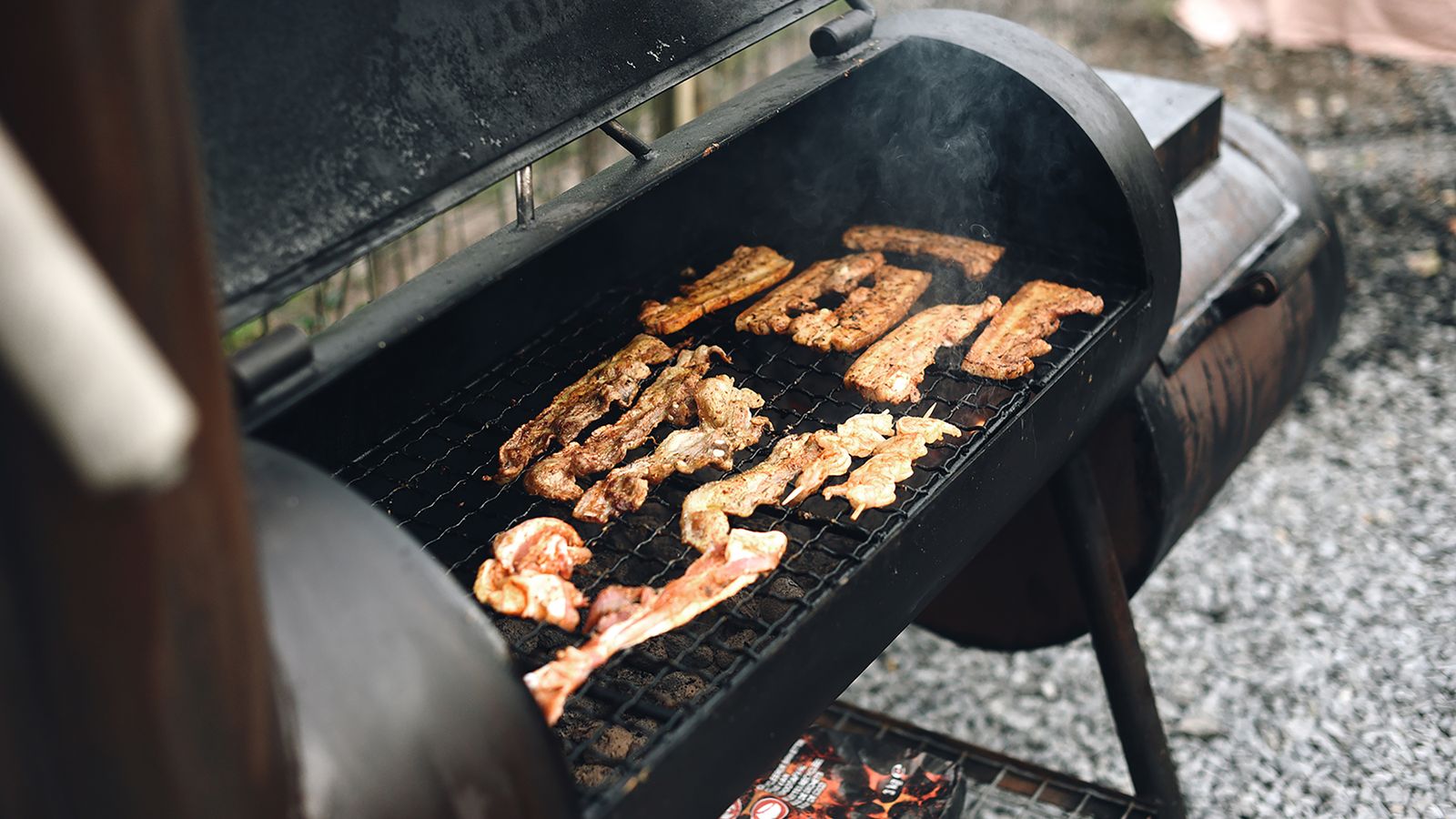
How to Hold a Charcoal Smoker at 225°F Without Babysitting It
Stop chasing the temperature — set the airflow and let the fire settle.
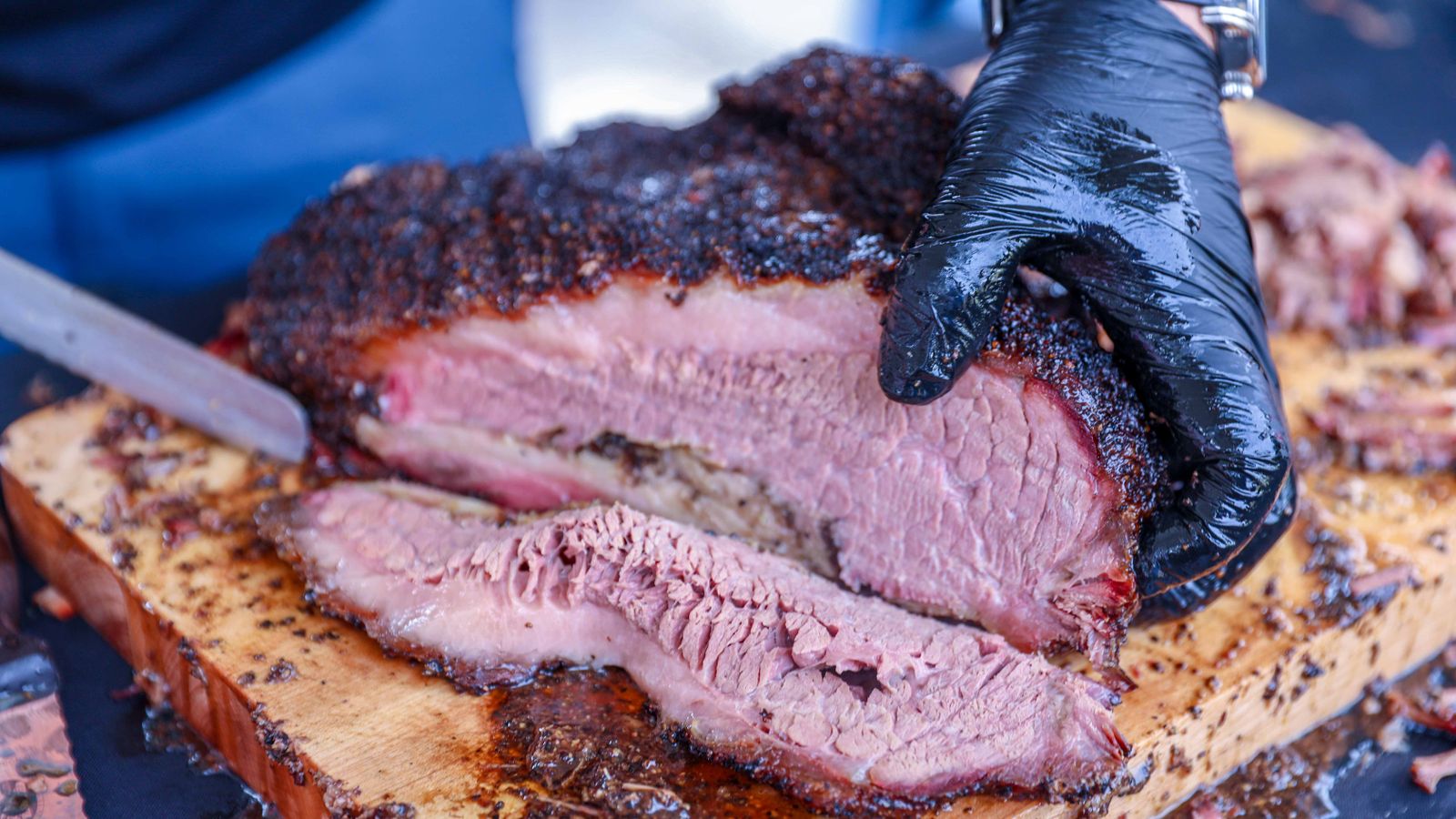
Your First Brisket: How Not to Ruin a $60 Piece of Meat
The three mistakes that turn a beautiful packer into a dry brick — and how to dodge all three.