
What 'The Stall' Is — and Why Wrapping Fixes It
Your smoke hits 160°F and just… stops for hours. Here's what's happening and what to do.
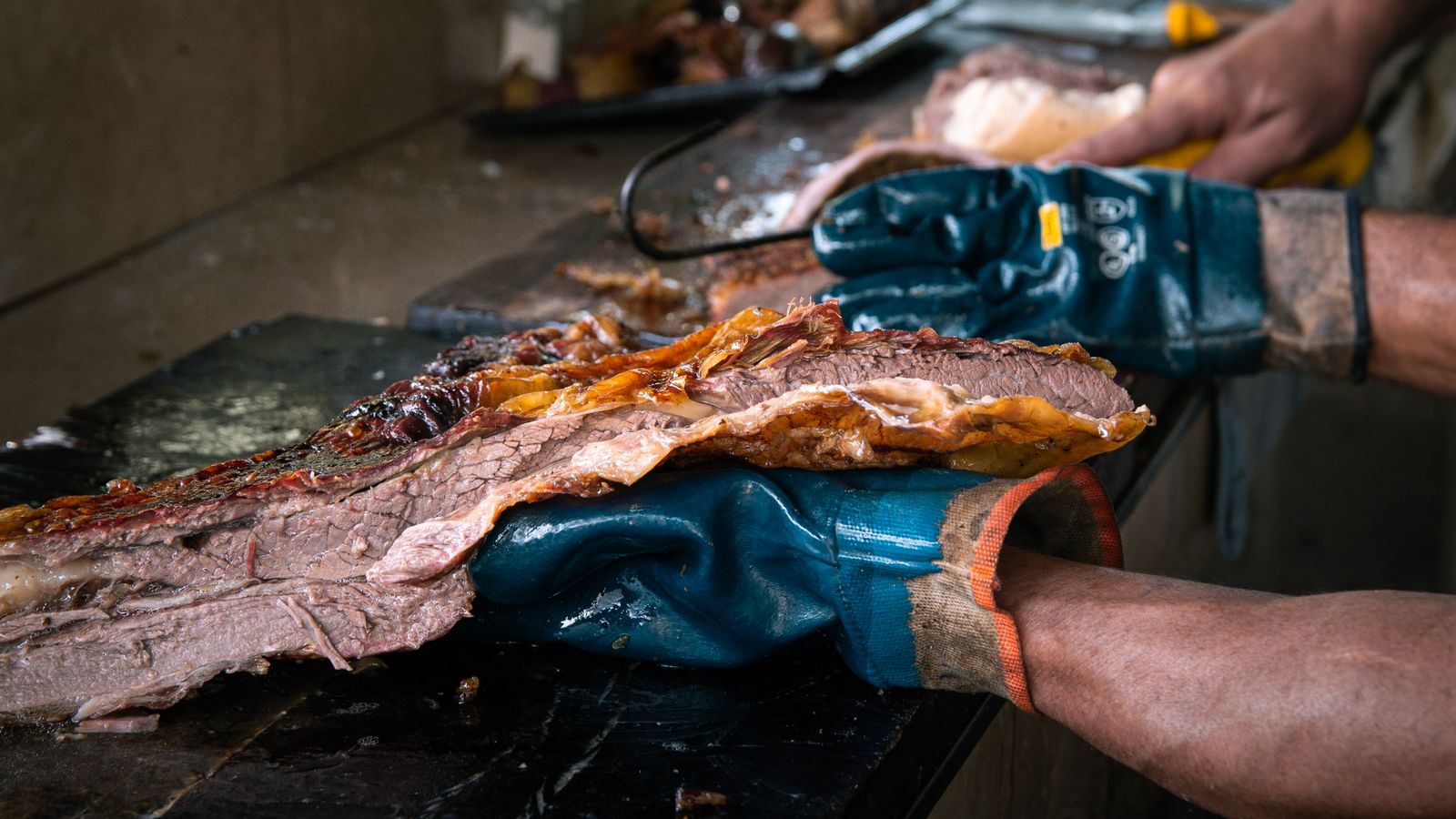
Four hours into your first brisket, everything is going great. The temperature climbed steadily to 160°F, the bark is setting, you're feeling like a pitmaster. Then the needle stops. An hour goes by and it hasn't moved. Two hours. You start poking the thermometer, checking the fire, googling "brisket stuck at 160" with greasy hands, convinced something is broken.
Nothing is broken. You've hit the stall — the single most panic-inducing, completely normal thing that happens in low-and-slow barbecue. Every big cut does it, every time. Once you understand what's going on, it stops being scary and becomes just another step you plan around.
The stall is evaporative cooling, not a stuck thermometer or a dying fire. Moisture sweating off the surface cools the meat as fast as the fire heats it, so the temperature parks — usually around 150–170°F — for anywhere from one to several hours. You can wait it out for the best bark, or wrap the meat to push straight through it.
What's actually happening
A big cut like brisket or pork shoulder is wet — its surface stays damp with moisture pushed out of the meat as it heats. That moisture evaporates into the smoker's air, and here's the key: evaporation cools things down. It's the exact mechanism that makes sweat cool your skin, or a wet towel feel cold in a breeze. As the meat gets hotter, it sweats faster, and at a certain point the cooling from all that evaporation almost perfectly cancels out the heat coming in from the fire. The result is a temperature that just… sits there, sometimes for hours, even though your smoker is running fine and the meat is very much still cooking.
The meat isn't stuck or ruined. It's sweating its way through a plateau. It usually happens in the 150–170°F range and breaks on its own once the surface finally dries enough that evaporation slows down — at which point the temperature climbs again.
Why it matters for your schedule
The stall is exactly why "an hour a pound" is such an unreliable way to plan a brisket. That plateau can add two, three, even four hours to a cook with no warning, and it's the number one reason people either serve dinner late or crank the heat and ruin the meat in a panic. The fix isn't to fight it — it's to expect it and give yourself a big time cushion. A finished brisket holds for hours wrapped in a cooler, so finishing early is never a problem; finishing late is.
Option 1: Ride it out
Do nothing. Keep the smoker steady and wait. The stall breaks on its own, and this route gives you the best bark — that dark, firm, flavorful crust — because the surface stays exposed to smoke and air the whole time. The only cost is time; riding out a full stall can add several hours. Purists cook this way and call it worth it.
Option 2: Wrap it — the "Texas crutch"
If you don't have all day, wrap the meat to power through. Wrapping traps the surface moisture against the meat so it can't evaporate, which shuts off the cooling and lets the temperature climb steadily again — often cutting an hour or more off the cook.
- Wait for the bark to set. Let the color develop to a deep mahogany first, because once it's wrapped the bark stops developing.
- Wrap it tightly in butcher paper or foil, sealing the meat into a snug package.
- Put it back on and cook to your finish temperature and feel — the climb will be noticeably faster now.
Butcher paper vs. foil: paper breathes a little, so it speeds things up while preserving most of your bark — it's the standard for brisket. Foil is the fastest and holds the most moisture, but it steams the bark soft, closer to a braise. Choose based on whether you care more about time or crust.
When you wrap, some cooks add a splash of liquid or a little beef tallow inside the package to boost moisture and richness. It's optional — a well-marbled cut doesn't need it — but it's cheap insurance on a lean brisket flat.
How long does the stall last?
Anywhere from about an hour to four or more. It depends on the size and wetness of the cut, your smoker's humidity, the airflow, and the weather. A humid smoker stalls harder and longer because evaporation is slower to "win," while a dry, breezy day can blast through it. There's no exact number — which is precisely why you plan for the worst case and lean on the cooler hold if you finish early.
Does everything stall?
No — only big, wet cuts cooked low and slow. Brisket and pork shoulder are the classic stallers. Ribs, being thinner, stall much less dramatically. Small or lean cuts, and anything cooked hot and fast, don't really stall at all, because they either don't sweat enough or blow past the plateau before it can set in.
Skip: Cranking the smoker way up to "beat" the stall. All you'll do is dry out and toughen the exterior while the inside still creeps along. Keep the fire low and steady, and either wait it out or wrap — those are the only two moves that work.
Keep going
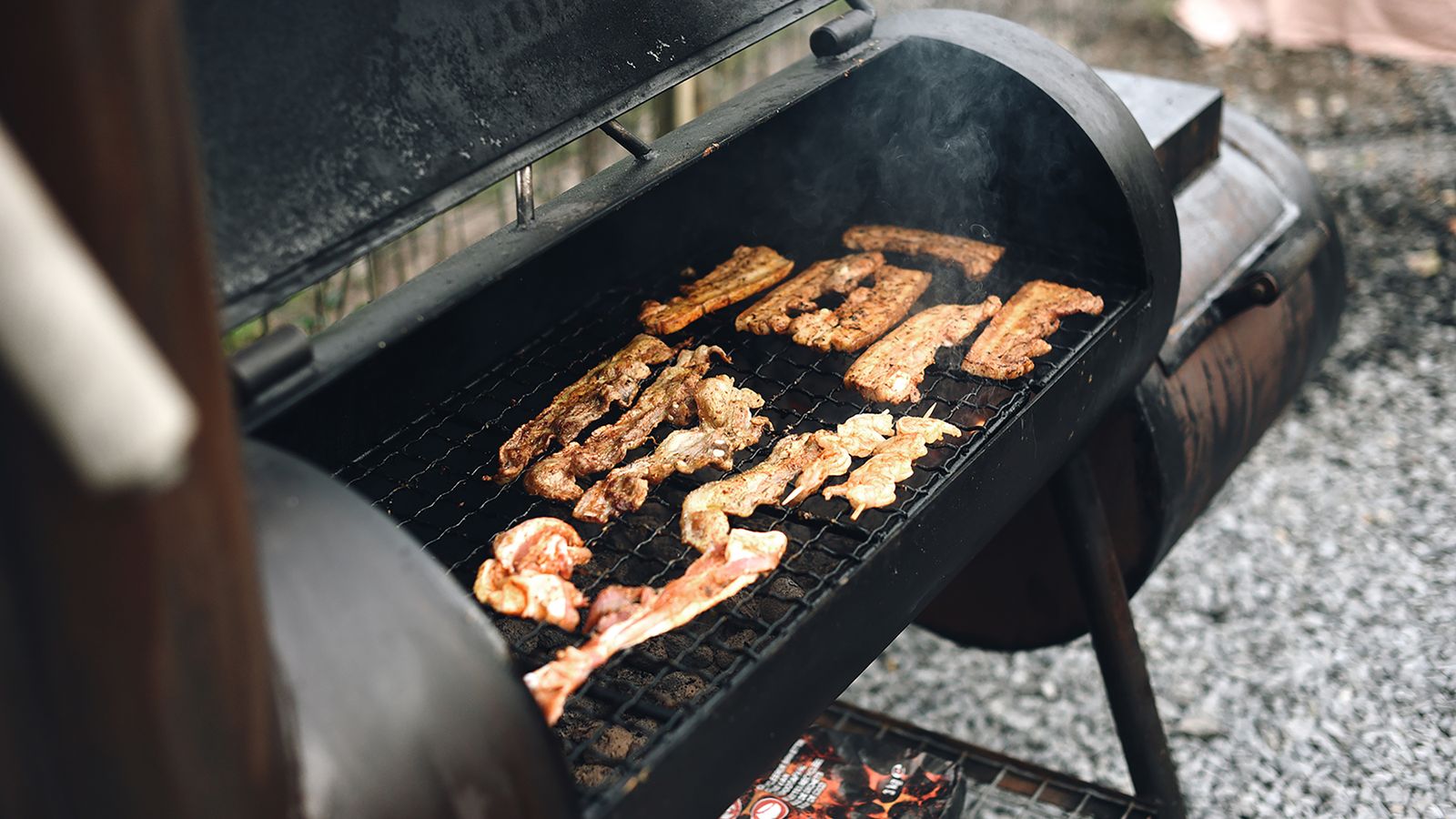
How to Hold a Charcoal Smoker at 225°F Without Babysitting It
Stop chasing the temperature — set the airflow and let the fire settle.
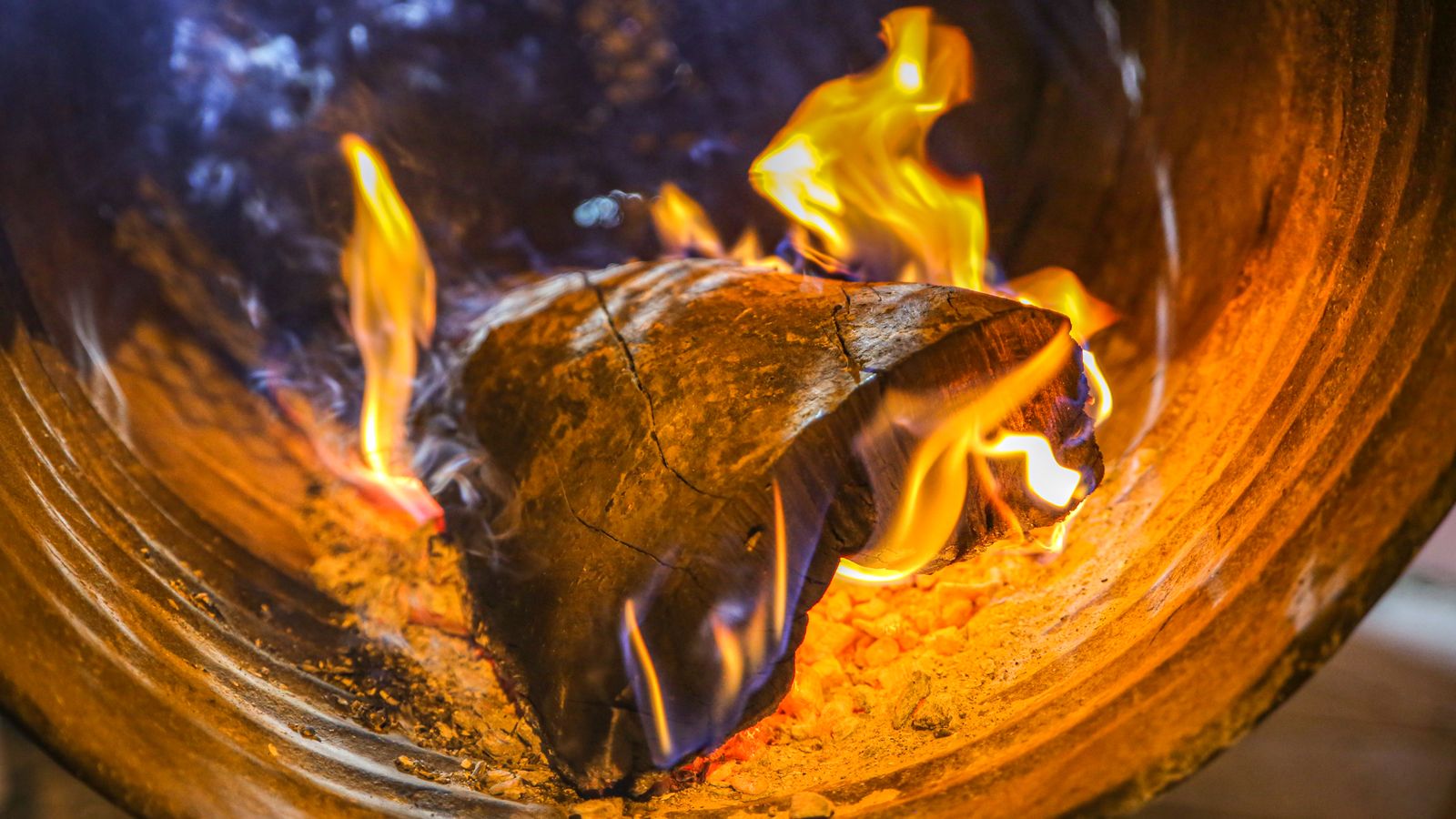
Wood Chips vs Chunks vs Pellets: What Actually Adds Smoke
Match the wood to your cooker — and learn why more smoke is usually worse, not better.
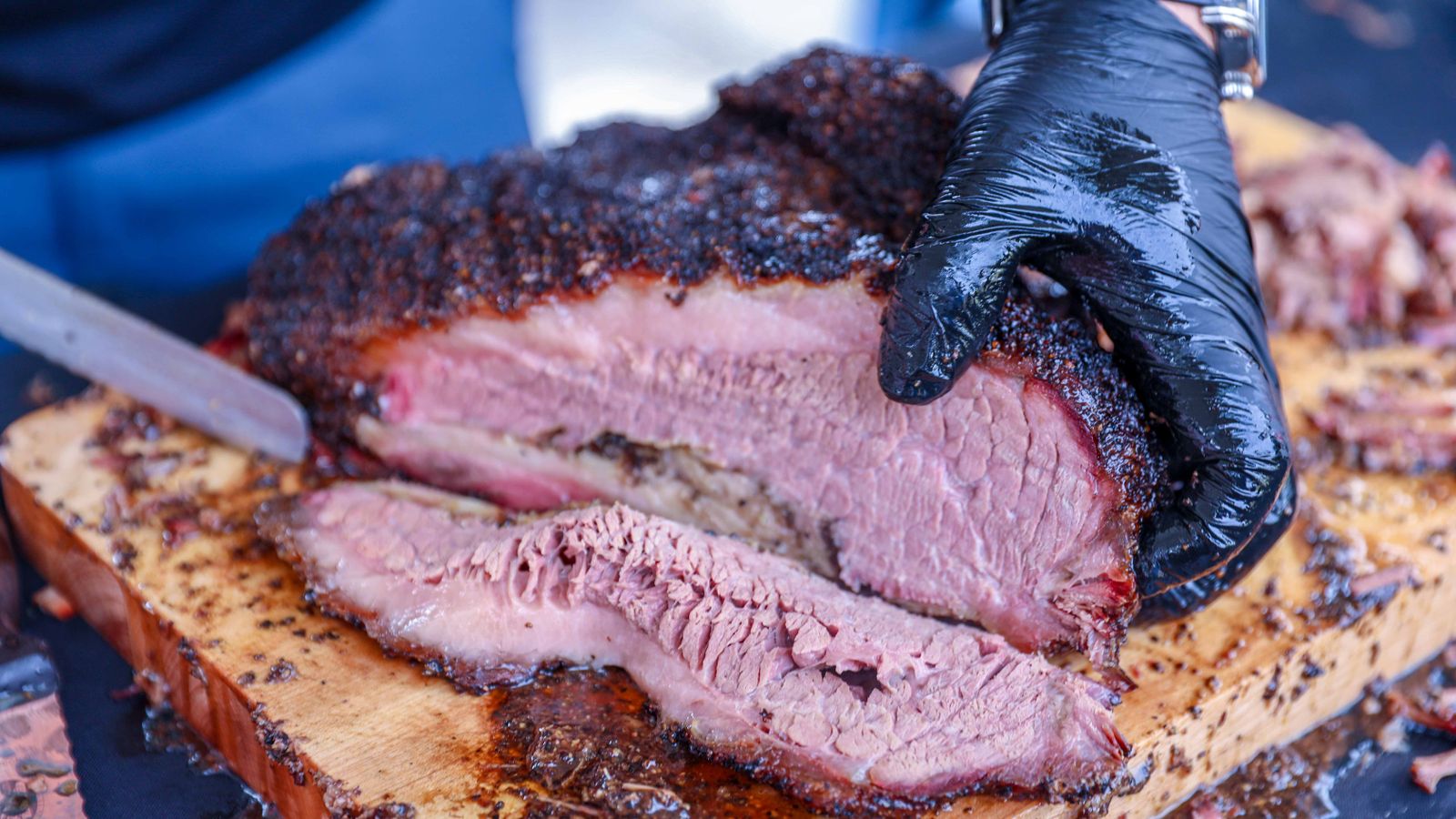
Your First Brisket: How Not to Ruin a $60 Piece of Meat
The three mistakes that turn a beautiful packer into a dry brick — and how to dodge all three.