
Why Your Steak Sticks to the Grill (And the 30-Second Fix)
It's not the steak fighting you — it's three things you can fix before the next flip.
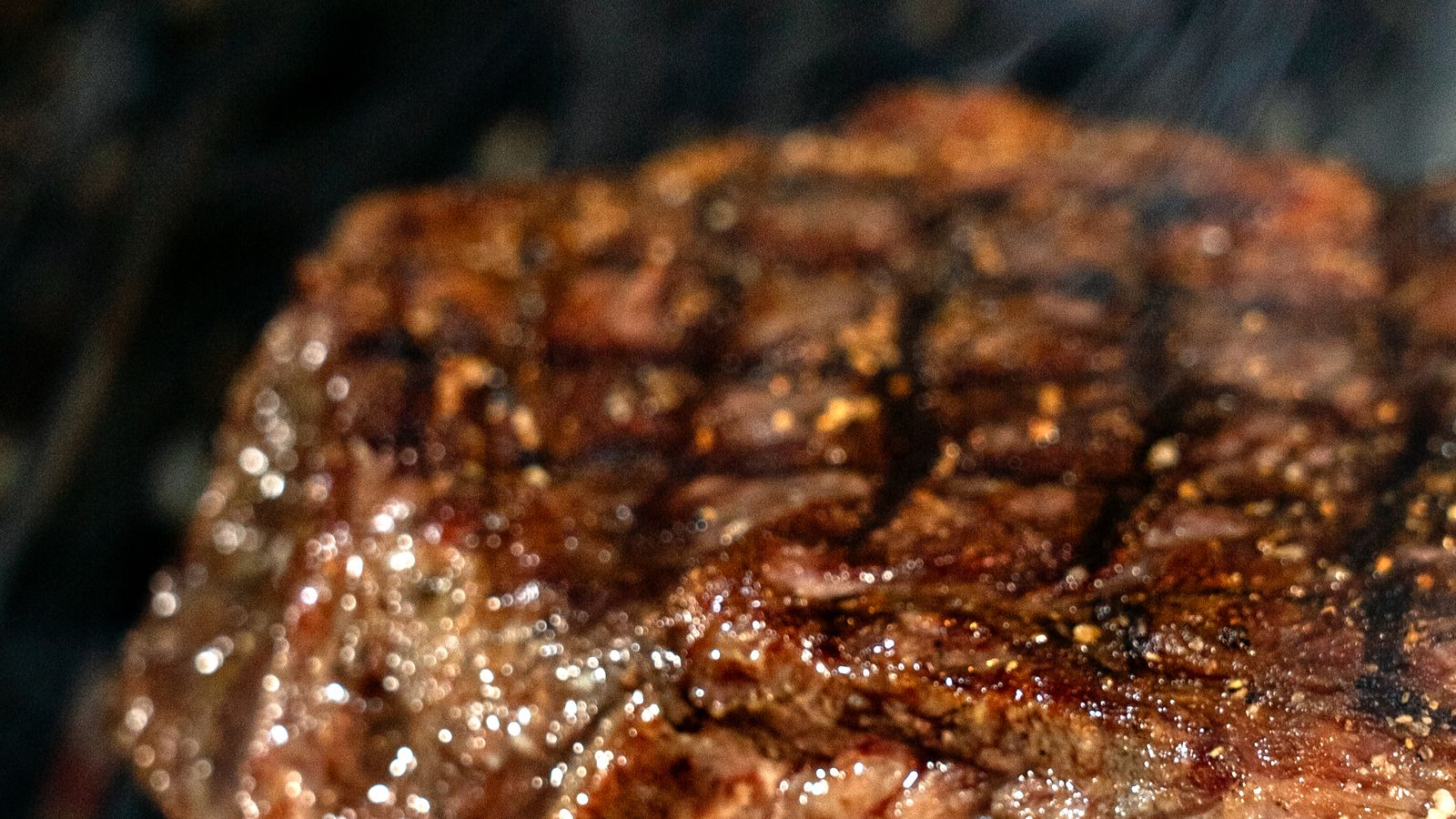
You lift the tongs, slide them under the ribeye to flip it, and half the steak stays welded to the grate. You pull harder, the meat tears, and the beautiful brown crust you spent four minutes building peels off and stays behind on the bars. Now you've got a ragged steak, a smoking mess baked onto the grill, and the nagging sense that you did something wrong.
You did — but it's an easy fix, and it has nothing to do with buying a fancier grill or a better cut of meat. Steak sticks for three specific, fixable reasons, and once you understand why it happens, you'll get a clean release every single time.
A steak releases on its own when three things are true: the grate is clean, it's ripping hot, and the meat (not the grate) has a thin coat of oil on a dry surface. Then the golden rule — don't try to flip it until it lets go. A steak that's fighting you simply isn't ready.
Why meat sticks in the first place
Sticking isn't the steak being stubborn — it's basic chemistry. When raw protein meets hot metal, it bonds to it, and those bonds are strongest right at the start, before any crust has formed. Give it a minute, though, and things change: the surface proteins cook, dry out, and go through the browning reaction that builds crust and flavor (the Maillard reaction). A finished crust is firm and mostly dry, and it naturally lets go of the metal. So the meat welds itself down at first and then releases itself as it sears — as long as you don't rip it up before that happens.
Everything below is about helping that release happen fast and cleanly, then getting out of its way.
Fix 1: Start with a clean, bare grate
Burned-on residue from your last cook is essentially glue. Old carbonized fat and stuck-on bits give fresh meat a hundred rough little anchors to grab, and they'll tear a steak apart. A clean grate is the single biggest thing standing between you and a clean release.
The easiest way to clean grates is to let the fire do the work:
- Preheat the grill hot with the lid closed for ten or fifteen minutes. The high heat turns most of the last cook's residue to loose ash.
- Scrape the hot grate with a sturdy grill brush or a wood scraper until the bars are smooth and bare.
- Wipe it down. Fold a paper towel, grip it with tongs, and run it across the bars to pull off the last of the loosened grime.
If you use a wire brush, glance at it now and then — when the bristles start to splay or shed, throw it out, because a loose bristle in your food is a genuine hazard. Plenty of cooks have switched to bristle-free scrapers or a tightly wadded ball of foil held in tongs for exactly that reason.
Fix 2: Oil the meat, not the grate
This is the one almost everyone gets backwards. Pouring or spraying oil onto a hot grate seems logical, but the oil just smokes, burns, and turns into more of the sticky varnish you're trying to avoid. Oil the food instead.
- Pat the steak bone-dry first. Surface moisture is the enemy of a sear — a wet steak steams instead of browning, and steaming meat sticks. Blot both sides with paper towels right before it goes on.
- Rub on a thin, even coat of oil. A light film is all you need. Use a neutral, high-smoke-point oil — canola, grapeseed, avocado, or refined vegetable oil. Skip extra-virgin olive oil and butter here; they burn and turn bitter at searing heat.
- Then salt it. Oiling first helps the salt and pepper cling to the surface instead of falling through the grate.
Fix 3: Preheat until it's genuinely hot
A cool or lukewarm grate is a sticking machine. Without enough heat, the surface proteins never sear fast enough to form that release-crust, so they just keep gripping the metal. You want the grate hot enough that the steak sizzles hard the instant it lands.
Give a charcoal grill time for the coals to ash over and the grate to soak up their heat — usually a good ten to fifteen minutes after the coals are ready. On gas, close the lid and let it climb for at least ten minutes on high. A quick check: hold your hand a few inches above the grate; if you can only keep it there for a second or two, you're in searing range.
The real trick: leave it alone
Here's the part that turns all of the above into a reliable habit. Even with a clean, hot, oiled setup, a steak will grip the grate for the first minute or two while the crust forms. Try to flip it during that window and it'll cling and tear. So don't.
Let the steak tell you when it's ready. When the crust has set, the meat releases from the bars on its own — you'll feel it slide freely when you nudge it with the tongs. If it resists and drags the grate with it, it isn't done searing. Give it another 30 to 60 seconds and test again. It will let go clean, every time, once the crust is built. Flipping constantly doesn't cook it faster; it just prevents the crust from ever forming and keeps the sticking going.
Does this hold for chicken, fish, and burgers?
The same physics apply, with a couple of notes. Skin-on chicken and fish stick even more eagerly — and release even more clearly once seared — so patience matters most with them. Get the grate spotless and hot, oil the food, lay it down, and do not touch it until it lifts freely. Burgers are forgiving because their fat renders fast, but the clean-hot-grate rules still spare you a torn patty.
A few tools that make it easier
- Long tongs instead of a fork. A fork stabs the meat, drains juice, and gives you less control; tongs let you nudge-test for release without piercing.
- A chimney starter for charcoal, so the coals light evenly and the whole grate gets properly hot — uneven heat means some spots sear and some stick.
- A bristle-free scraper or foil ball for cleaning, to keep stray wire out of dinner.
Skip: Drowning the grate in oil or hosing it with aerosol cooking spray over open flame. It flares up, burns onto the bars as sticky residue, and leaves an acrid taste on your food. A dry, oiled steak on a clean, hot grate is all it takes.
Keep going
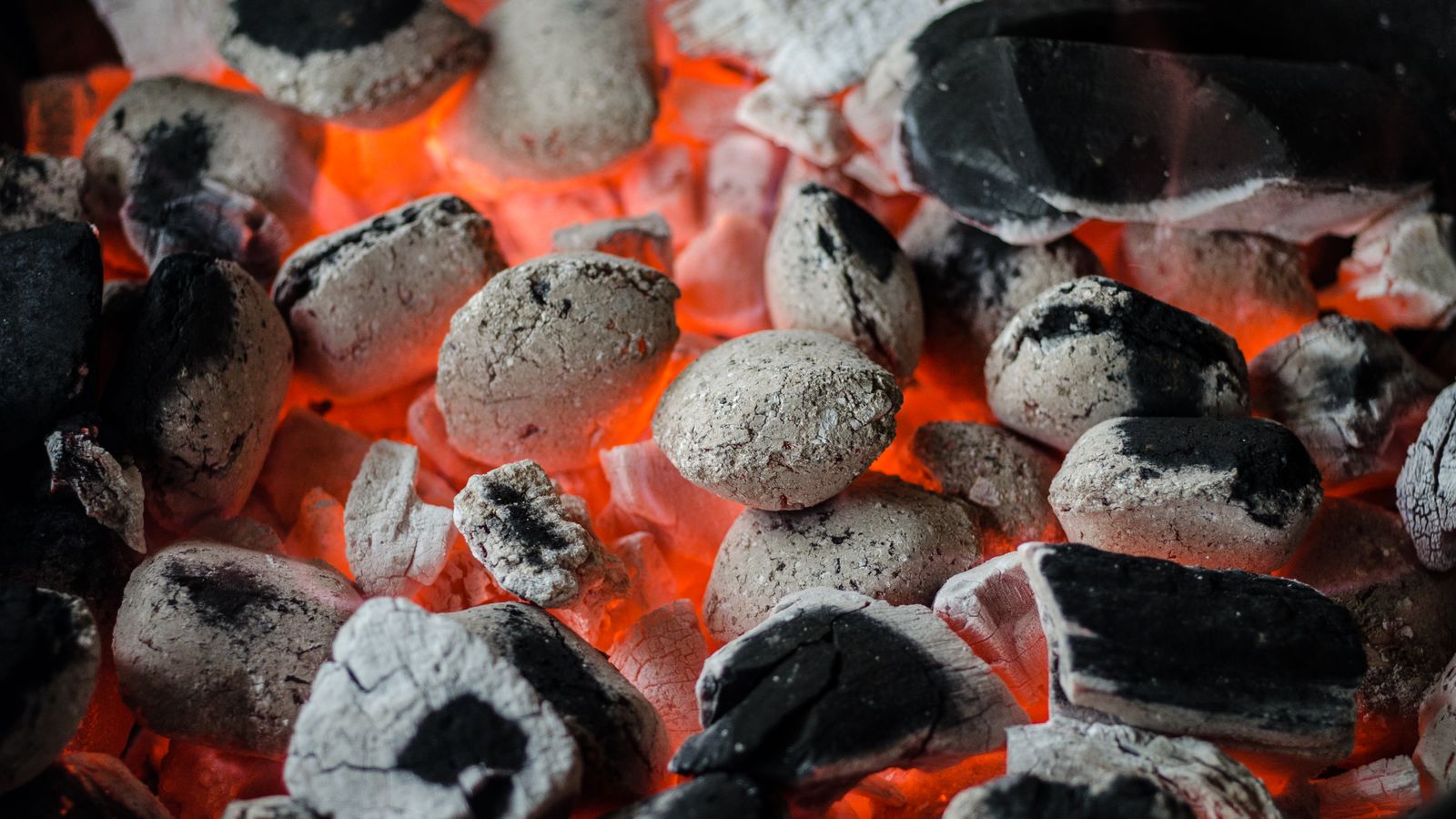
The Two-Zone Fire: The Setup That Fixes Burnt-Outside-Raw-Inside
One change to how you build the fire, and thick cuts stop torching before they cook through.
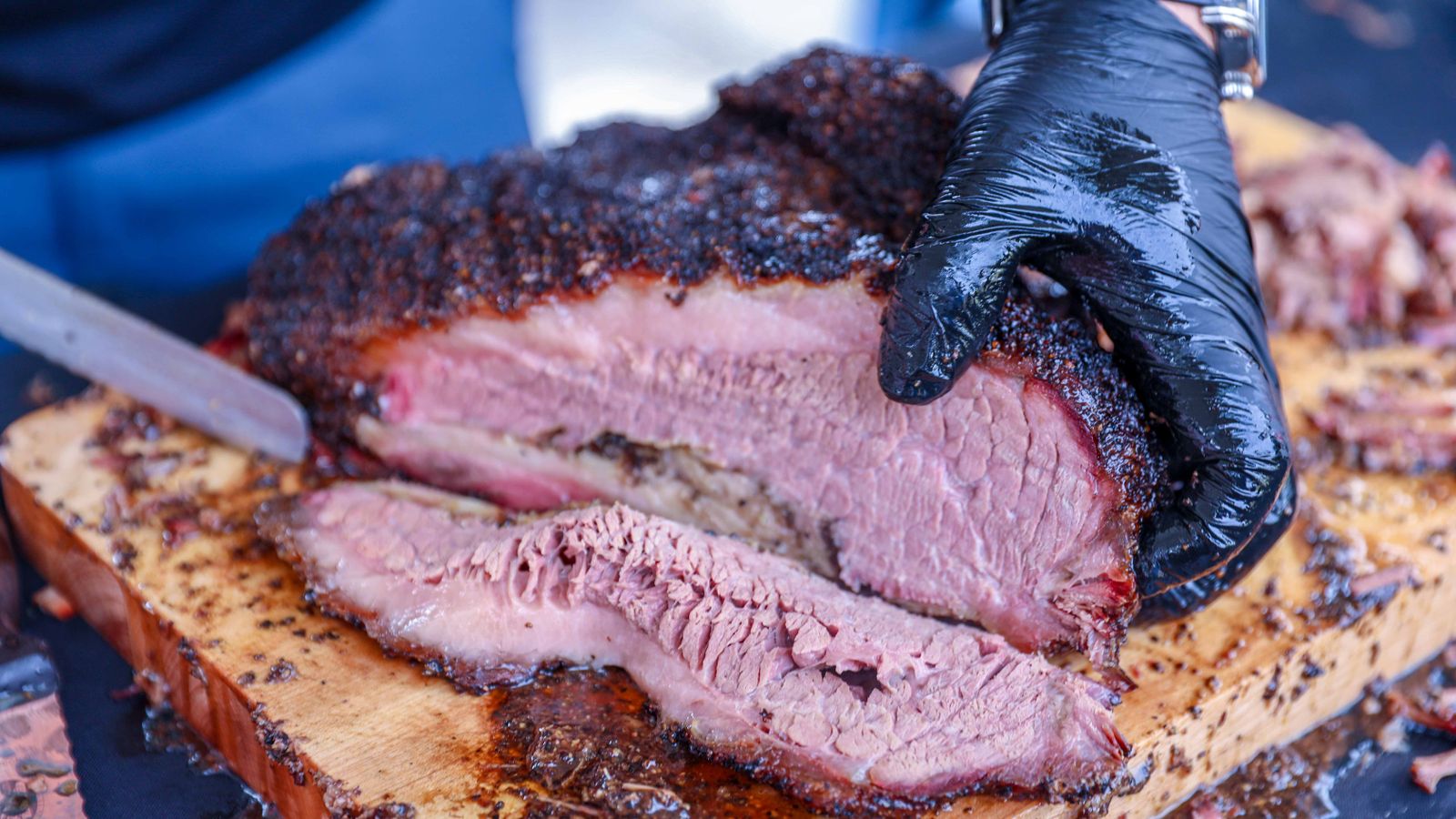
Your First Brisket: How Not to Ruin a $60 Piece of Meat
The three mistakes that turn a beautiful packer into a dry brick — and how to dodge all three.
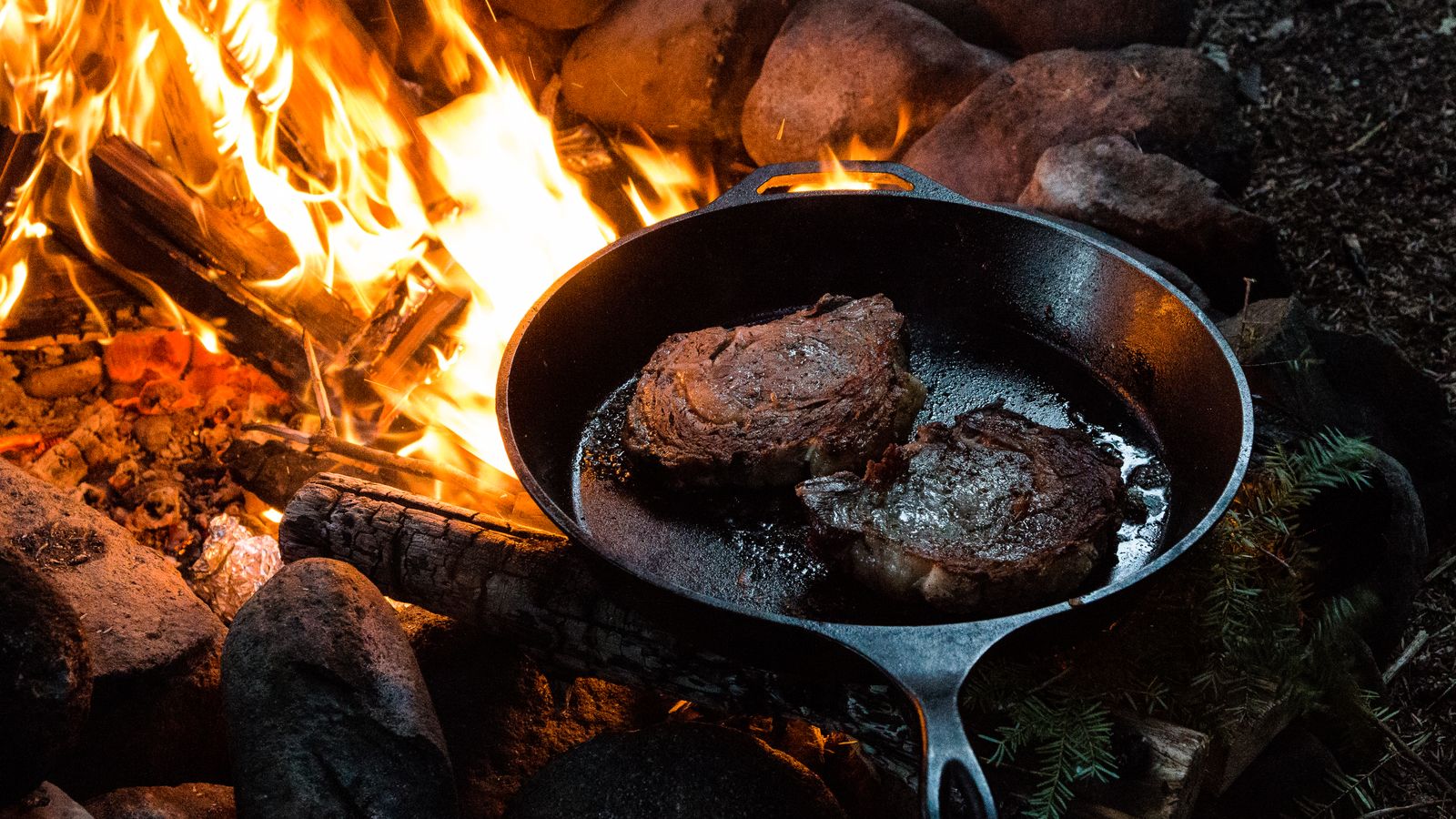
How to Reverse-Sear a Steak (The Method Steakhouses Skip Telling You)
Low first, hot last — the backwards order that gives you edge-to-edge pink and a hard crust.