
How to Reverse-Sear a Steak (The Method Steakhouses Skip Telling You)
Low first, hot last — the backwards order that gives you edge-to-edge pink and a hard crust.
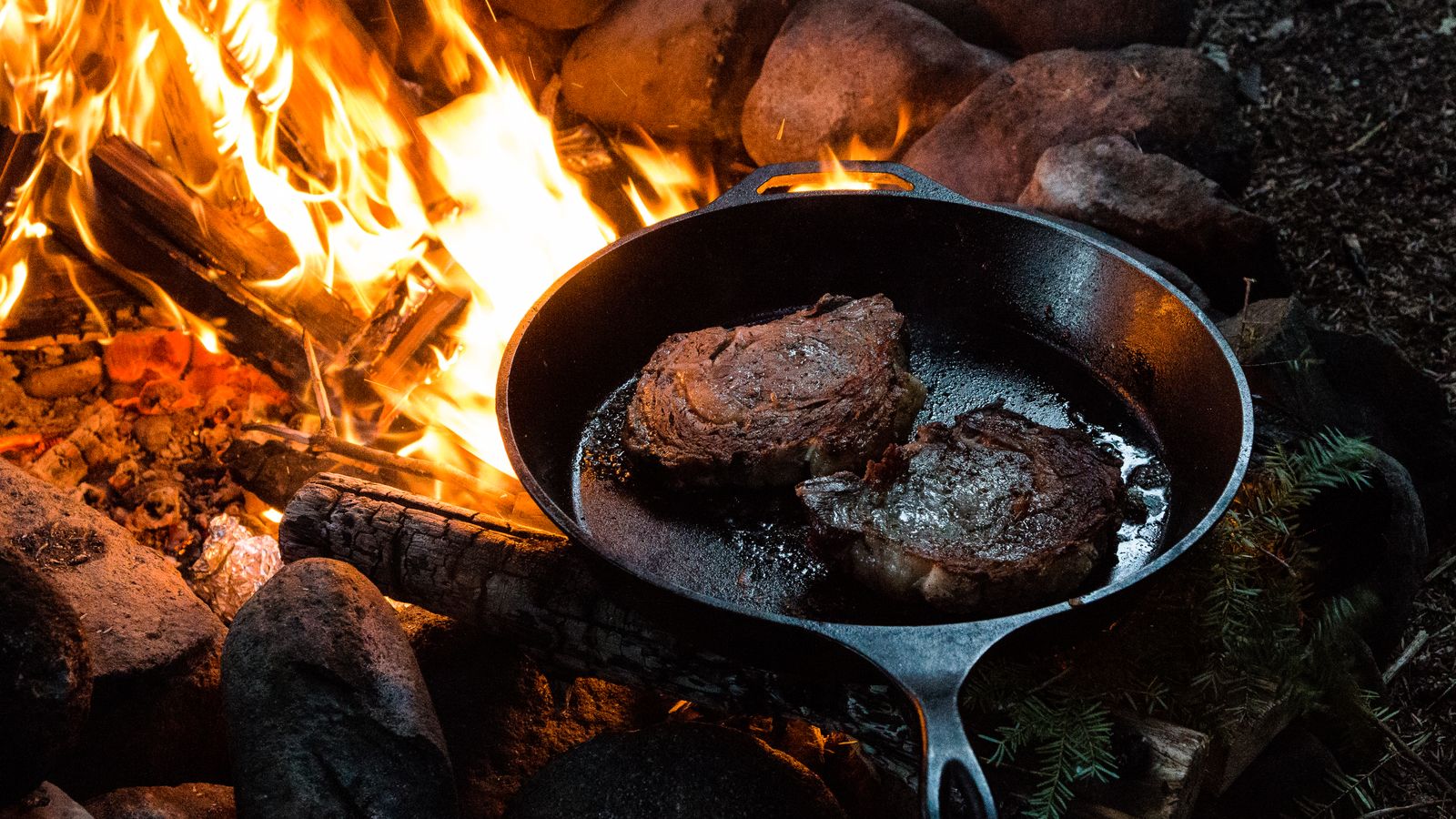
You've cut into it before: a steak with a gorgeous seared crust wrapped around a thick band of gray, overcooked meat, and then a cold, barely-warm center. You did everything the old way — screaming-hot pan or grill, sear both sides hard, hope the middle catches up — and the middle never quite did, or it caught up only by turning the outer half to shoe leather.
The reverse sear fixes that completely. You get a steak that's an even rosy pink from edge to edge, with a hard, dark, steakhouse crust and no gray band at all. And it's actually easier and more forgiving than the traditional method — it just runs the usual order backwards: gentle heat first, hard sear last.
Cook the steak low and slow first — a cool grill zone or a low oven — until the inside is nearly done (about 115–120°F for medium-rare), then sear it hard and fast over ripping-hot heat to build the crust, pulling around 130°F. Low first, hot last. That's the whole method.
Why the normal order fails on a thick steak
When you sear a cold, thick steak over high heat from the start, the outside races toward well-done while the center is still cold. By the time enough heat has crawled to the middle to make it medium-rare, the layers just under the crust have massively overcooked — that's the gray band. The thicker the steak, the worse it gets, because the heat has farther to travel and the surface takes more abuse while it waits.
Reverse searing separates the two jobs. First you bring the whole interior up gently and evenly, so there's no rushing and no gray band. Only then do you add the crust, in a sear so fast the inside barely notices.
What cuts it's for
Reverse sear shines on thick steaks — an inch and a half or more. Ribeye, New York strip, thick-cut sirloin, a fat filet, a tomahawk. The extra thickness is exactly what makes the traditional method struggle, and what gives the reverse sear room to work. Thin steaks (under an inch) don't need it — they cook through almost the instant they're seared, so just sear them hot and pull them.
Step 1: Cook it low and even
Salt the steak well — ideally 40 minutes ahead, or even the night before, which seasons it deeper and dries the surface for a better crust later. Then bring it up gently.
- Set up gentle, indirect heat. On the grill, build a two-zone fire and put the steak on the cool side with the lid down. In the kitchen, use a low oven (around 250°F) with the steak on a rack over a sheet pan.
- Cook slowly to about 115–120°F internal for medium-rare, checking with an instant-read thermometer in the center. Lower for rare, a touch higher for medium — see the temps below.
- Let it ride. This phase is unrushed and hard to mess up; the low heat won't overshoot the way a hot fire would.
Step 2: Rest a moment and dry the surface
Pull the steak and let it sit a few minutes while you get your searing heat blazing. Then pat the surface bone-dry with paper towels. It's a small step that makes a big difference — a dry surface browns almost instantly, so you build a hard crust before the heat has any chance to overcook the interior you just perfected.
Step 3: Sear hard and fast
Now get your heat as hot as it goes — a chimney of coals with the grate right on top, a screaming cast-iron pan, or a dedicated searing burner.
- Sear each side 45 to 60 seconds, pressing for full contact, until it's deeply browned and crusted. Flip and repeat.
- Don't forget the edges. Hold the steak on its fat cap and sides with tongs to render and crisp them.
- Pull at your target temp — around 130°F for medium-rare. It will climb a few degrees as it settles.
Because the interior is already cooked, this sear is purely about crust: fast and hot, in and out.
Doneness temps (pull a few degrees early)
- Rare: low phase to ~105°F, pull off the sear around 120°F.
- Medium-rare: low phase to ~115–120°F, pull around 130°F.
- Medium: low phase to ~125–130°F, pull around 140°F.
These are pull temps — the steak keeps climbing a few degrees after it comes off, so stopping a little early lands it right.
Why it works so well
The slow start cooks the interior evenly, with no gray band and no cold center — the whole thing reaches your target temperature at the same time. And because you dried the surface during the low phase, the final sear builds a crust in seconds without overcooking anything underneath. Best of all it's forgiving: the gentle first phase gives you a wide, easy window to hit your temperature, instead of a frantic few seconds over a raging fire.
Common mistakes
- Sear heat not hot enough. A lukewarm sear takes too long and starts overcooking the interior. Get it truly ripping before the steak goes on.
- Skipping the dry-off. A wet surface steams and delays the crust. Always pat dry before searing.
- Overshooting the low phase. If you take the interior all the way to your final temp before searing, the sear will push it past done. Stop the low phase 10–15°F short.
Skip: Cutting into it right away to "check." You'll dump the juices onto the board. A reverse-seared steak needs only a short five-minute rest — the interior's already even — so give it that and slice.
Keep going
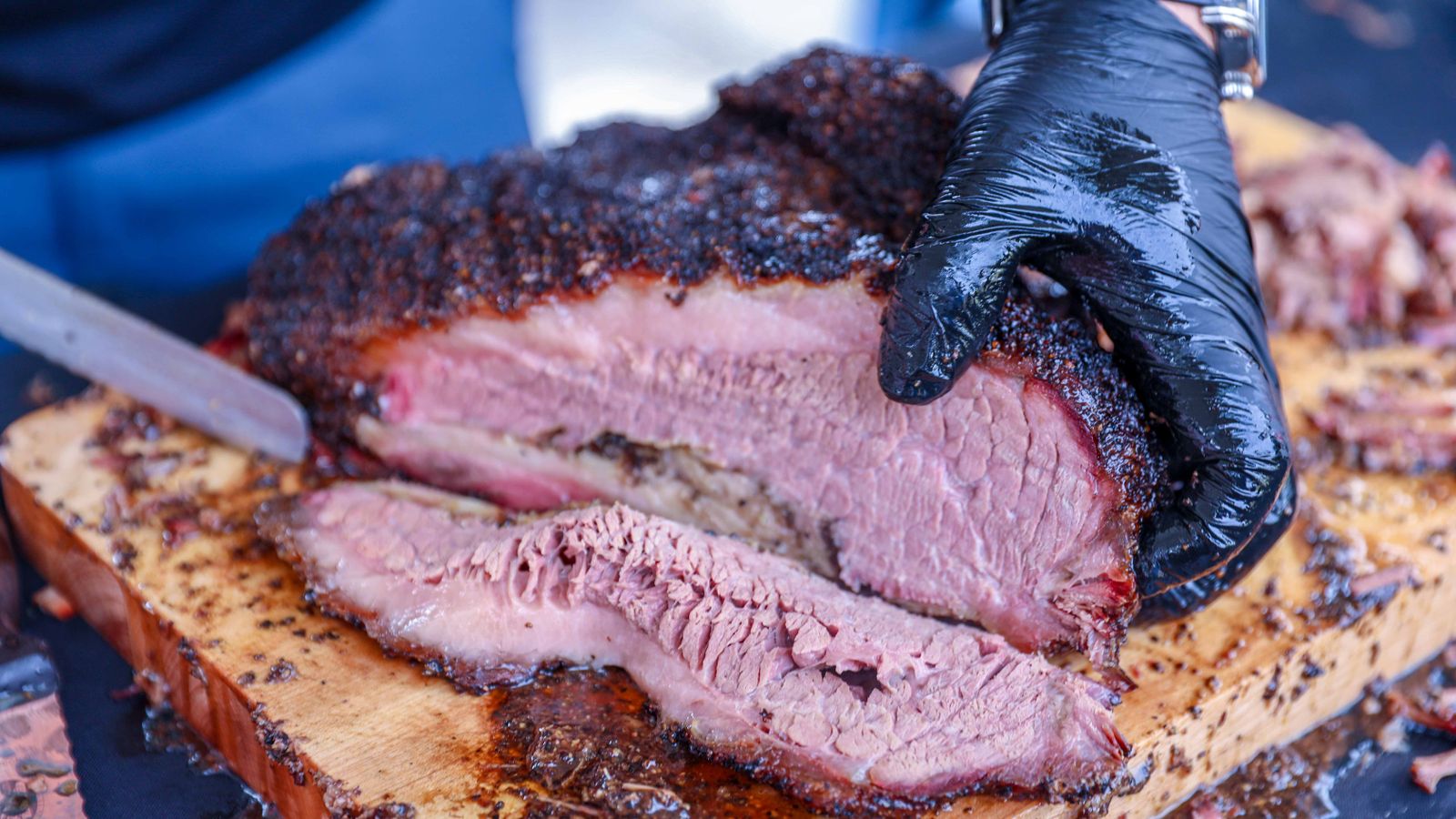
Your First Brisket: How Not to Ruin a $60 Piece of Meat
The three mistakes that turn a beautiful packer into a dry brick — and how to dodge all three.
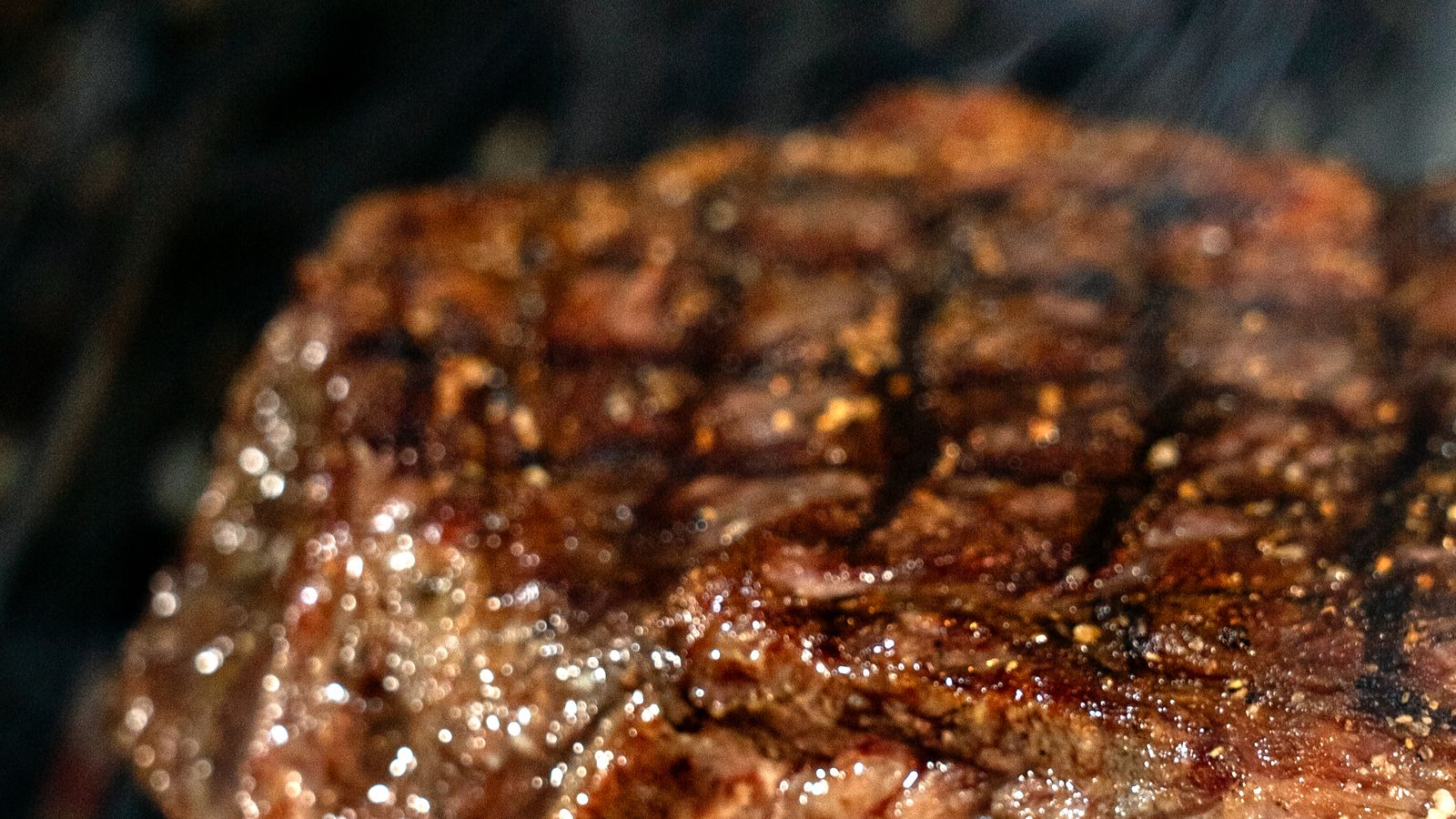
Why Your Steak Sticks to the Grill (And the 30-Second Fix)
It's not the steak fighting you — it's three things you can fix before the next flip.
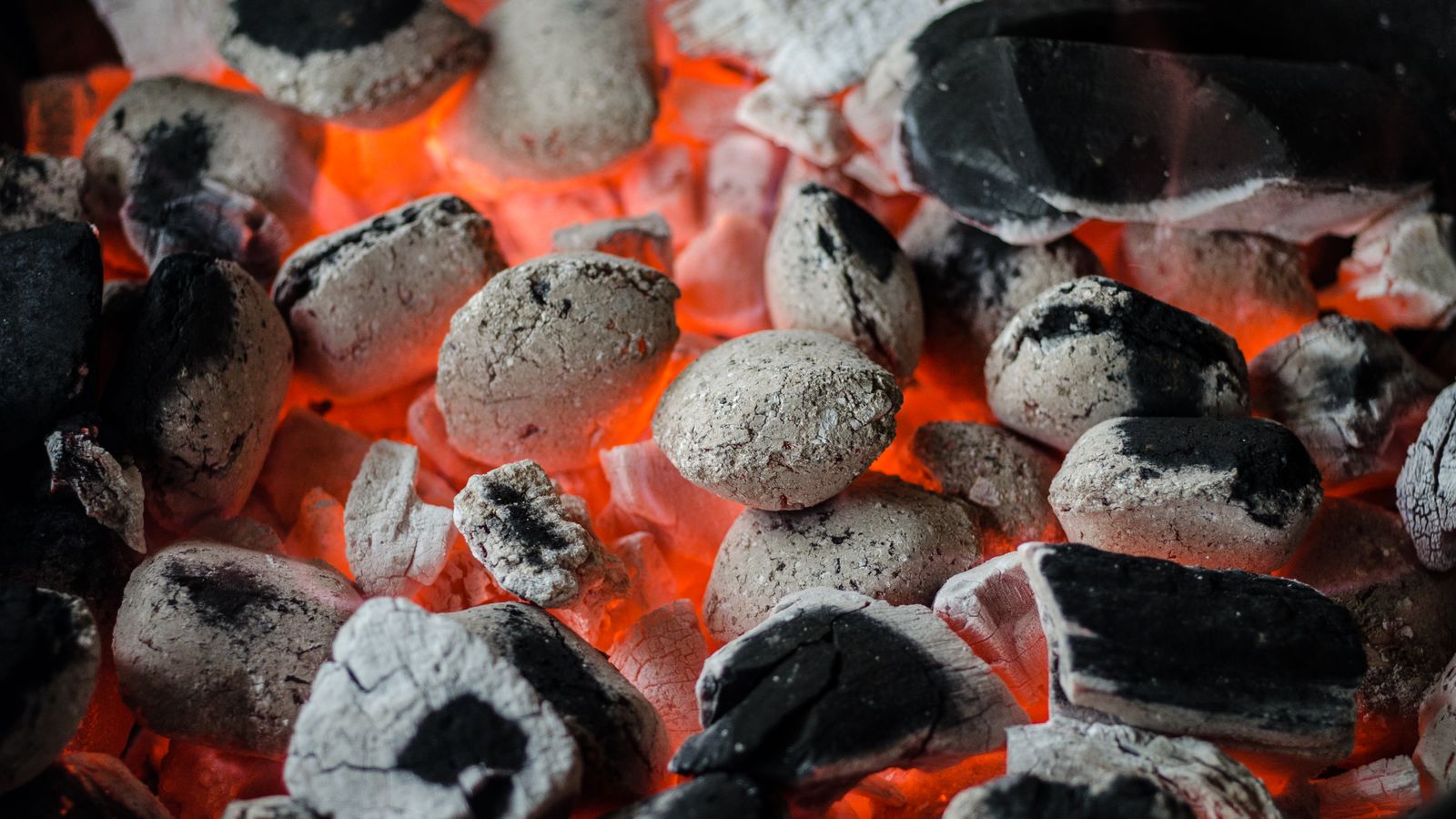
The Two-Zone Fire: The Setup That Fixes Burnt-Outside-Raw-Inside
One change to how you build the fire, and thick cuts stop torching before they cook through.