
Why You Should Brine Poultry (And a 4-Ingredient Brine That Works)
Ten minutes of prep the night before is the difference between dry breast and juicy every time.
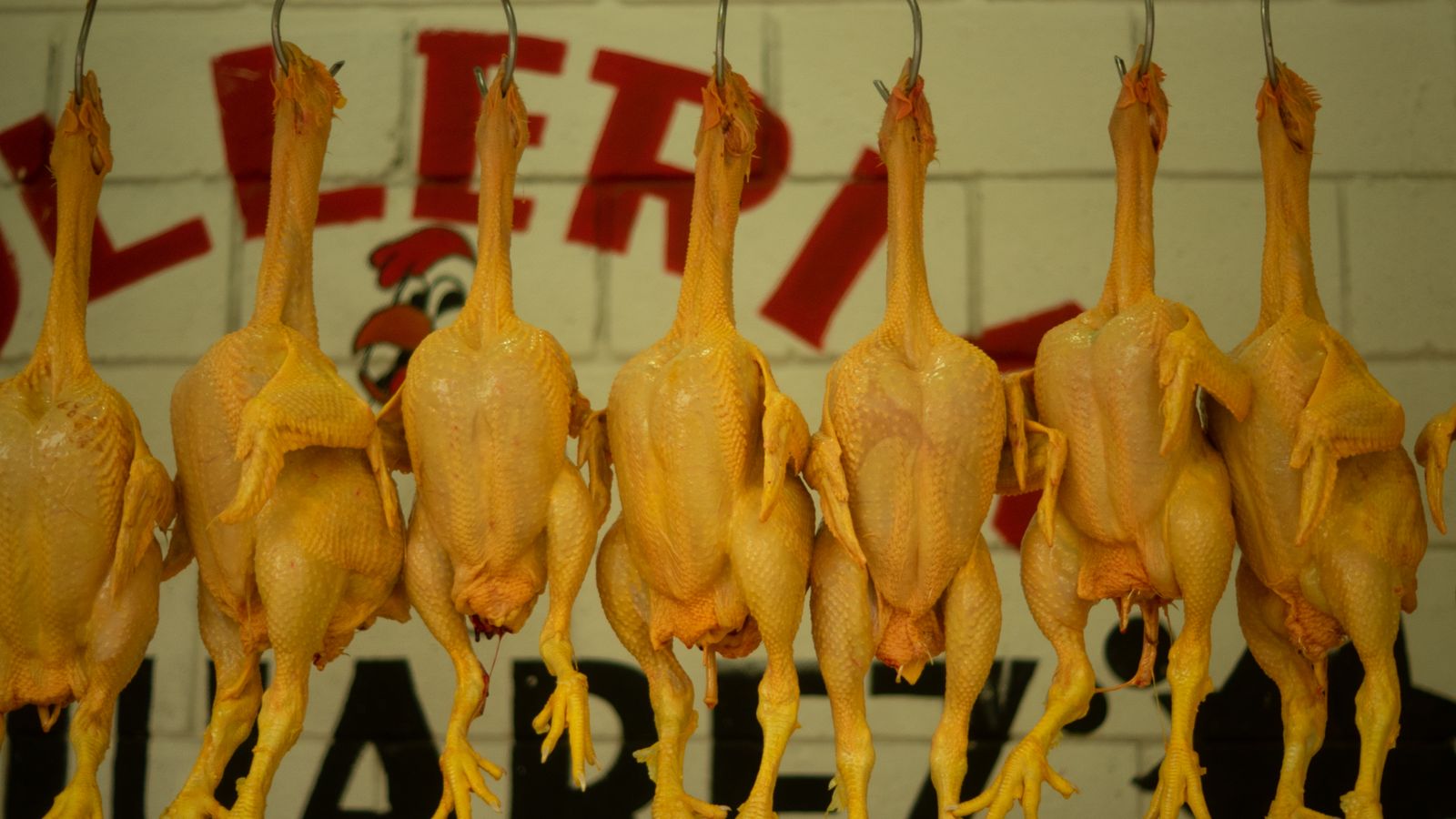
Chicken breast has earned its dry, bland reputation honestly — it's lean, it has almost no fat to keep it moist, and it goes from juicy to sawdust in the span of a few degrees. Grilling, with all that intense direct heat, only makes the tightrope thinner. A brine fixes both problems at once: it makes poultry noticeably juicier and seasons it all the way through, and it takes about ten minutes of prep the night before.
Once you brine a chicken or a turkey, it's hard to go back — the difference between a brined and unbrined bird is obvious in the first bite. Here's what a brine actually does, a simple recipe you can remember without looking it up, and the one finishing step people forget that makes or breaks the skin.
A basic wet brine is just water, kosher salt (about 1 cup per gallon), a little sugar, and whatever aromatics you have. Soak chicken pieces 1–4 hours, a whole chicken 4–12, a turkey overnight — then rinse, pat dry, and let the skin air-dry before cooking, because wet skin won't crisp.
What a brine actually does
Soaking poultry in salt water does two things. First, the salt helps the meat absorb and hold on to extra moisture: it gently changes the proteins so they trap water instead of squeezing it out when heated, which means the meat stays juicy even if you slightly overcook it. Second, the salt — and the flavor of any aromatics — penetrates all the way through the meat over the soak, seasoning it from the inside instead of just on the surface. The result cooks up juicier, tastes seasoned in every bite, and forgives you if you leave it on the grill a minute too long. For lean breast meat, that's a real safety net.
Wet brine vs. dry brine
There are two ways to brine, and both work.
- Wet brine (below) submerges the bird in salt water. It's the classic, adds the most moisture, and is great for lean cuts and whole birds — but it takes a big container and fridge space.
- Dry brine is simpler: salt the bird generously all over and let it rest uncovered in the fridge for several hours or overnight. It seasons deeply, and because you're not adding water, the skin dries out and crisps up better. Many cooks prefer it for exactly that reason.
Want maximum juiciness and don't mind the container? Wet-brine. Want great flavor and crispier skin with less fuss? Dry-brine.
The 4-ingredient wet brine
You can remember this one without a recipe card:
- Water — enough to submerge the bird.
- Kosher salt — about 1 cup per gallon of water (roughly ¼ cup per quart). This ratio is the important part.
- Sugar — a few tablespoons; it balances the salt and helps the skin brown.
- Aromatics — whatever you've got: peppercorns, smashed garlic, bay leaves, a few strips of citrus peel, herbs.
Stir until the salt and sugar dissolve, chill the brine so it's cold, submerge the poultry, and refrigerate. (If you dissolve the salt in a little hot water first, be sure to cool the whole thing down before adding the meat.)
How long to brine
Salt keeps working the whole time, so match the soak to the size — too long and the meat turns spongy and over-salted:
- Chicken pieces: 1–4 hours.
- Whole chicken: 4–12 hours.
- Turkey: overnight, up to about 24 hours.
The step everyone forgets: dry the skin
After brining, rinse the bird, pat it thoroughly dry, and — if you can — let the skin air-dry uncovered in the fridge for a few hours. Brining leaves the surface wet, and wet skin steams instead of crisping. Drying it out is the difference between crackly, browned skin and pale, rubbery skin. Don't skip it.
Skip: Brining anything labeled "enhanced," "self-basting," or "contains a solution." Those birds have already been injected with a salt solution at the plant, so brining on top of that makes the meat unpleasantly salty and spongy. Check the label — if it's already been treated, just season and cook.
Keep going
The Only Way to Grill Wings That Actually Get Crispy
The pantry trick and the fire setup that give you crackly skin instead of rubbery, flabby wings.
How to Grill Chicken That's Charred Outside and Done Inside
Stop choosing between burnt and pink — the setup that gets you both right.
Your First Brisket: How Not to Ruin a $60 Piece of Meat
The three mistakes that turn a beautiful packer into a dry brick — and how to dodge all three.