
How to Grill Chicken That's Charred Outside and Done Inside
Stop choosing between burnt and pink — the setup that gets you both right.
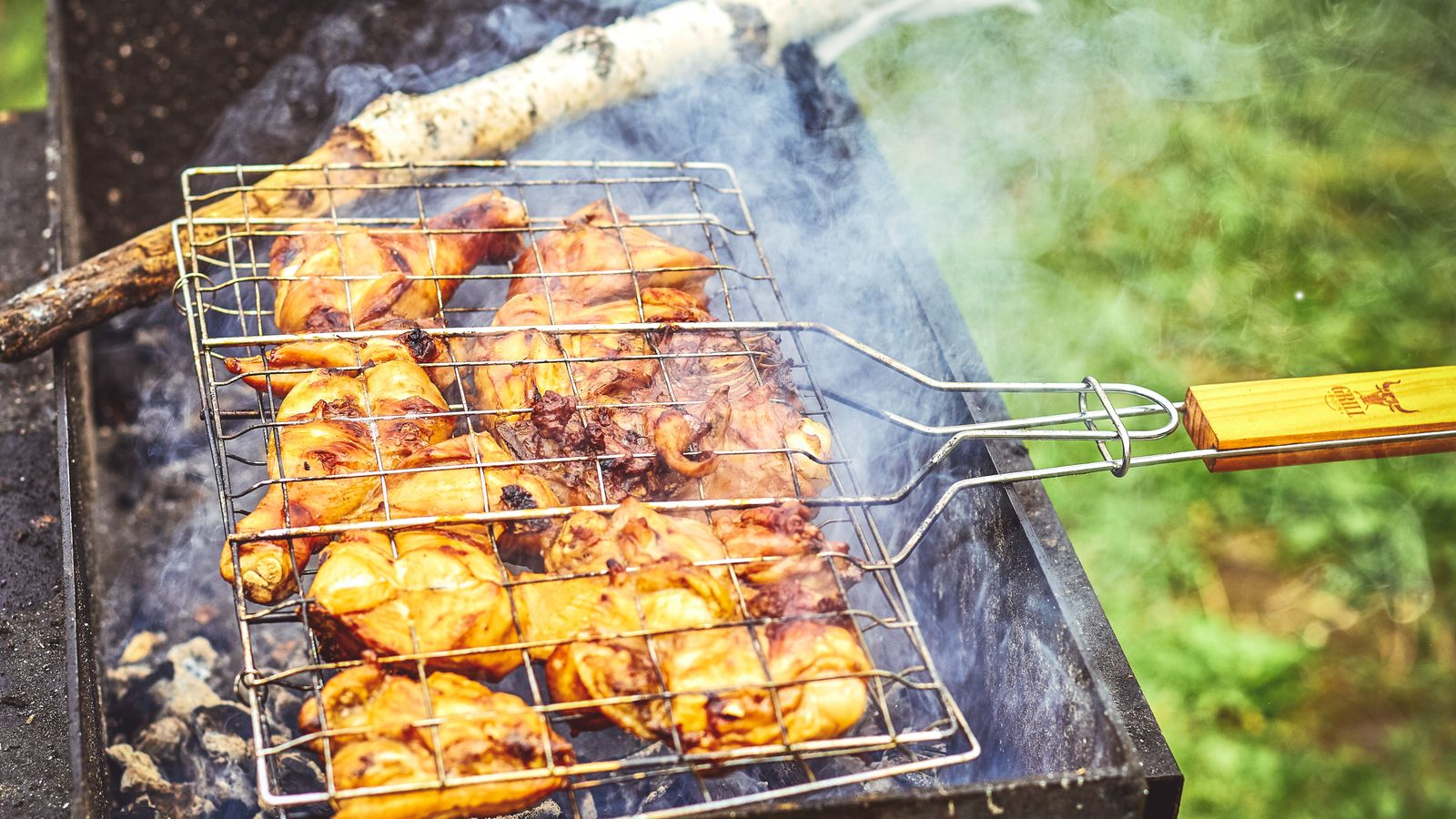
Bone-in chicken is where a lot of otherwise-good grill cooks get humbled. You pull the pieces off looking like a magazine cover — deep char, crisp skin, perfect grill marks — set them down at dinner, cut into a thigh, and it's raw and red at the bone. So next time you overcorrect, leave it on longer, and now the outside is a blackened, bitter mess. Burnt or raw, with no apparent middle ground.
There is a middle ground, and it's not luck or timing — it's the setup. The problem is asking a single hot fire to do two opposite jobs at once: char the outside and gently cook a thick, bone-in piece all the way through. Split those jobs across two zones and cook to temperature instead of color, and charred-outside-done-inside becomes routine.
Grill bone-in chicken with a two-zone fire: get color and crisp skin over the hot side, then move everything to the cool side, close the lid, and let it finish cooking through gently. And cook to internal temperature, not color — 165°F for white meat, and thighs and drumsticks are better around 175°F.
Why one fire can't do it
A bone-in thigh or breast is thick, and the bone slows heat from reaching the center. Over a single hot fire, the surface hits charring temperature almost immediately and keeps burning while the interior slowly catches up — by the time the middle is safe, the outside is carbon. Skin makes it worse: the rendering fat drips and flares, and any sugar in a marinade or sauce blackens fast. One fire simply can't char the outside and cook the inside without ruining one of them.
The fix: sear, then move
A two-zone fire gives you a hot side for color and a cool side for gentle cooking. Use them in that order.
- Build a two-zone fire — coals banked to one side (or one set of gas burners lit), nothing on the other.
- Get color over the hot side, skin-side down, until the skin is marked, browned, and crisp. Watch for flare-ups from the rendering fat, and move pieces off the flames the moment the skin threatens to burn.
- Move everything to the cool side and close the lid. Now the chicken finishes cooking through gently in the trapped, circulating heat — like an oven — with no more charring. This is where the inside catches up to the outside.
Cook to temperature, not color
Color lies — a beautifully browned piece can be raw inside, and a pale one can be done. The only reliable way to know is an instant-read thermometer in the thickest part of the meat, not touching the bone (bone reads hotter than the meat around it).
- White meat (breast): safe and juicy at 165°F. Push it much past that and it dries out.
- Dark meat (thighs, drumsticks): safe at 165°F, but genuinely better pulled around 175°F, where the extra connective tissue in dark meat breaks down and the texture turns tender and silky instead of rubbery.
Because white and dark meat want different temperatures, cooking pieces rather than a whole bird lets you pull each as it's ready.
Marinades, rubs, and sauces
Dry rubs are easy — they season and help the skin brown, and they don't burn. Sugary marinades and barbecue sauces are the trap: the sugar scorches over direct heat. If you're using them, apply sauce only in the last few minutes and over the cool, indirect side, so it sets into a glaze instead of turning to bitter char.
Boneless and thin pieces
Boneless thighs and thin cutlets cook fast and don't need as much of the two-zone dance — the center is never far from the surface. But even then, a cool side to finish on (and to dodge flare-ups) makes them more forgiving. Still cook them to temperature, and still sauce late.
Skip: Brushing sugary barbecue sauce on at the start. It'll scorch black and bitter long before the chicken is cooked through, leaving you with a burnt exterior hiding raw meat. Sauce goes on at the very end, over indirect heat.
Keep going
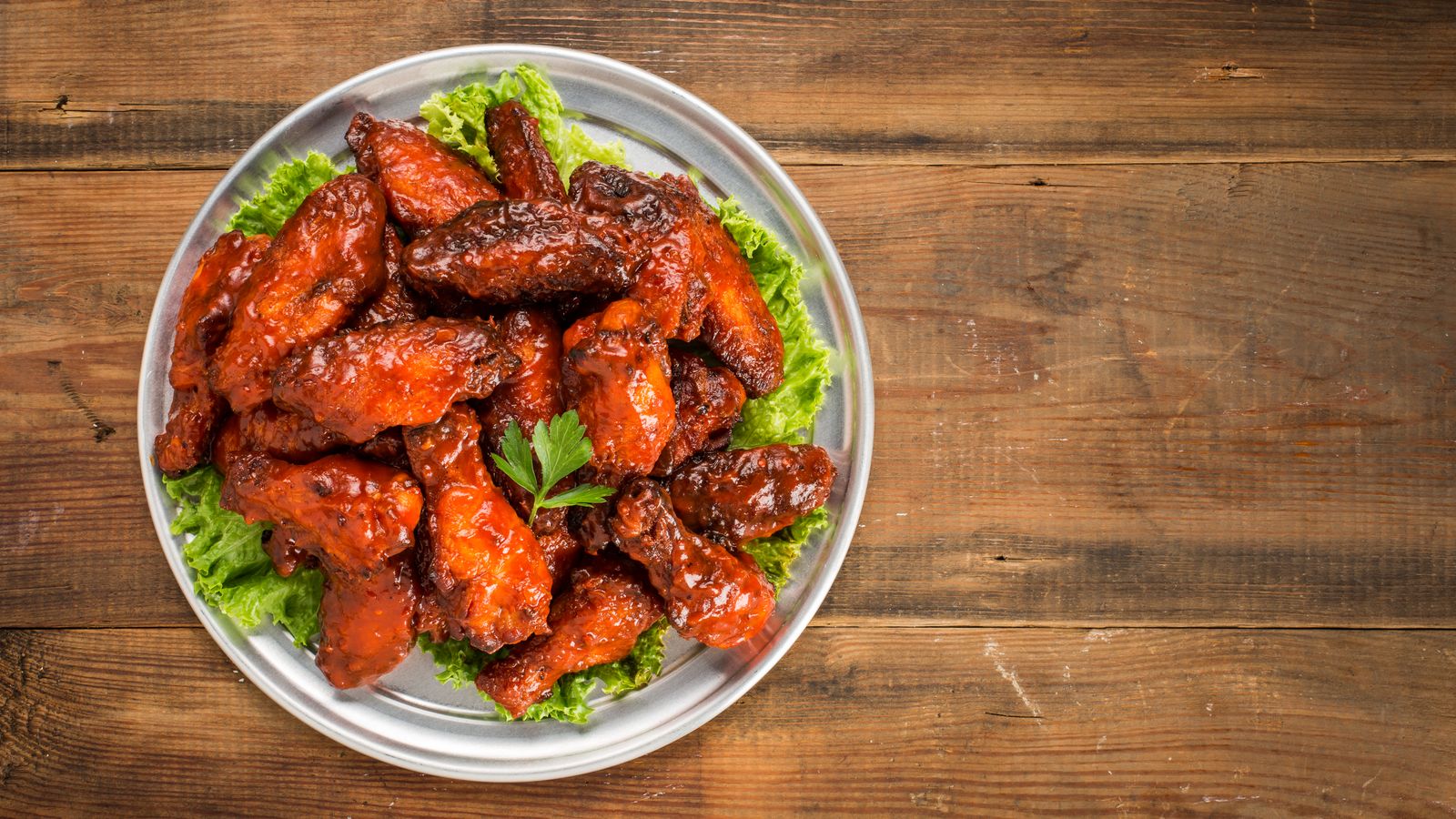
The Only Way to Grill Wings That Actually Get Crispy
The pantry trick and the fire setup that give you crackly skin instead of rubbery, flabby wings.
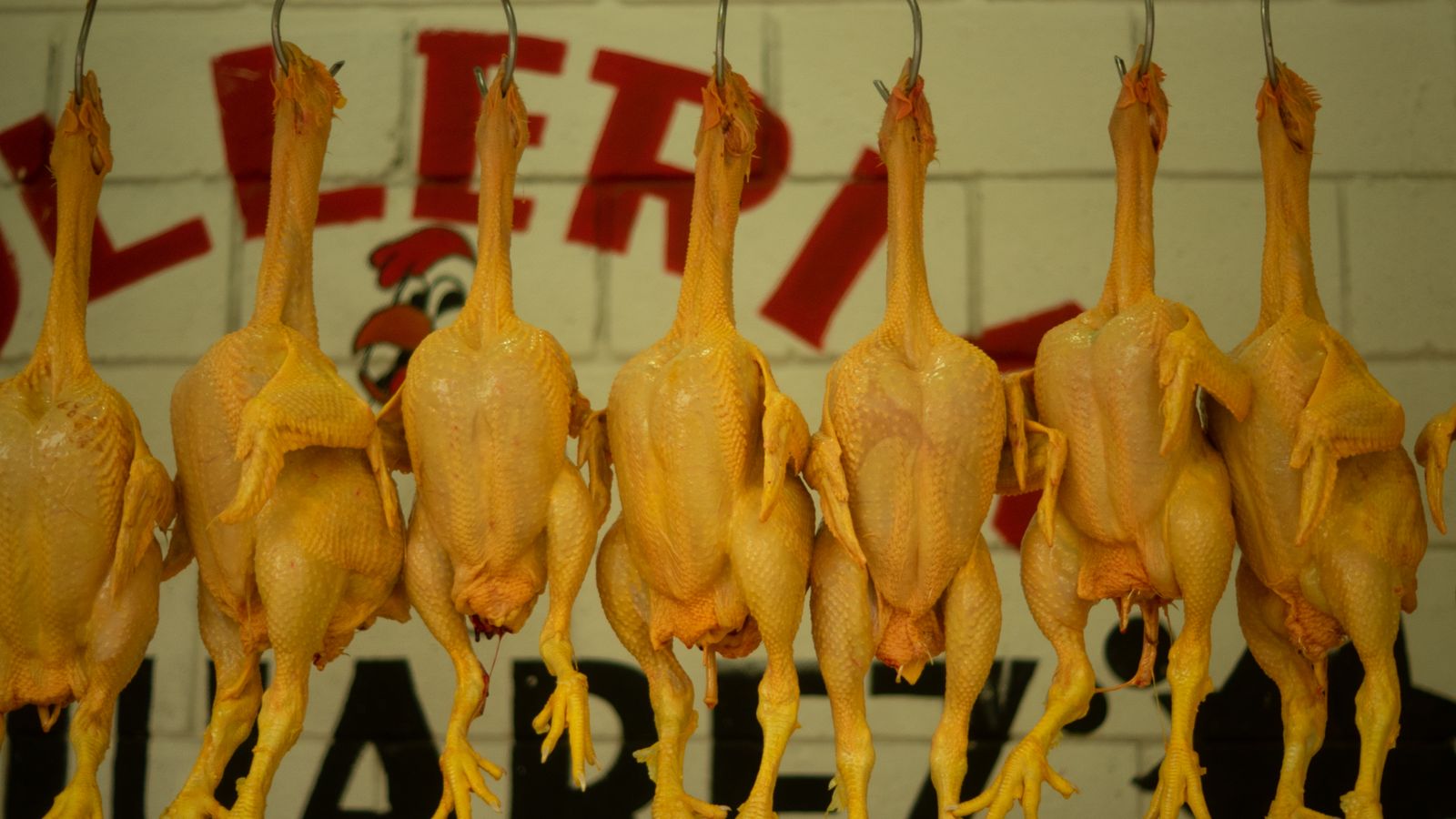
Why You Should Brine Poultry (And a 4-Ingredient Brine That Works)
Ten minutes of prep the night before is the difference between dry breast and juicy every time.
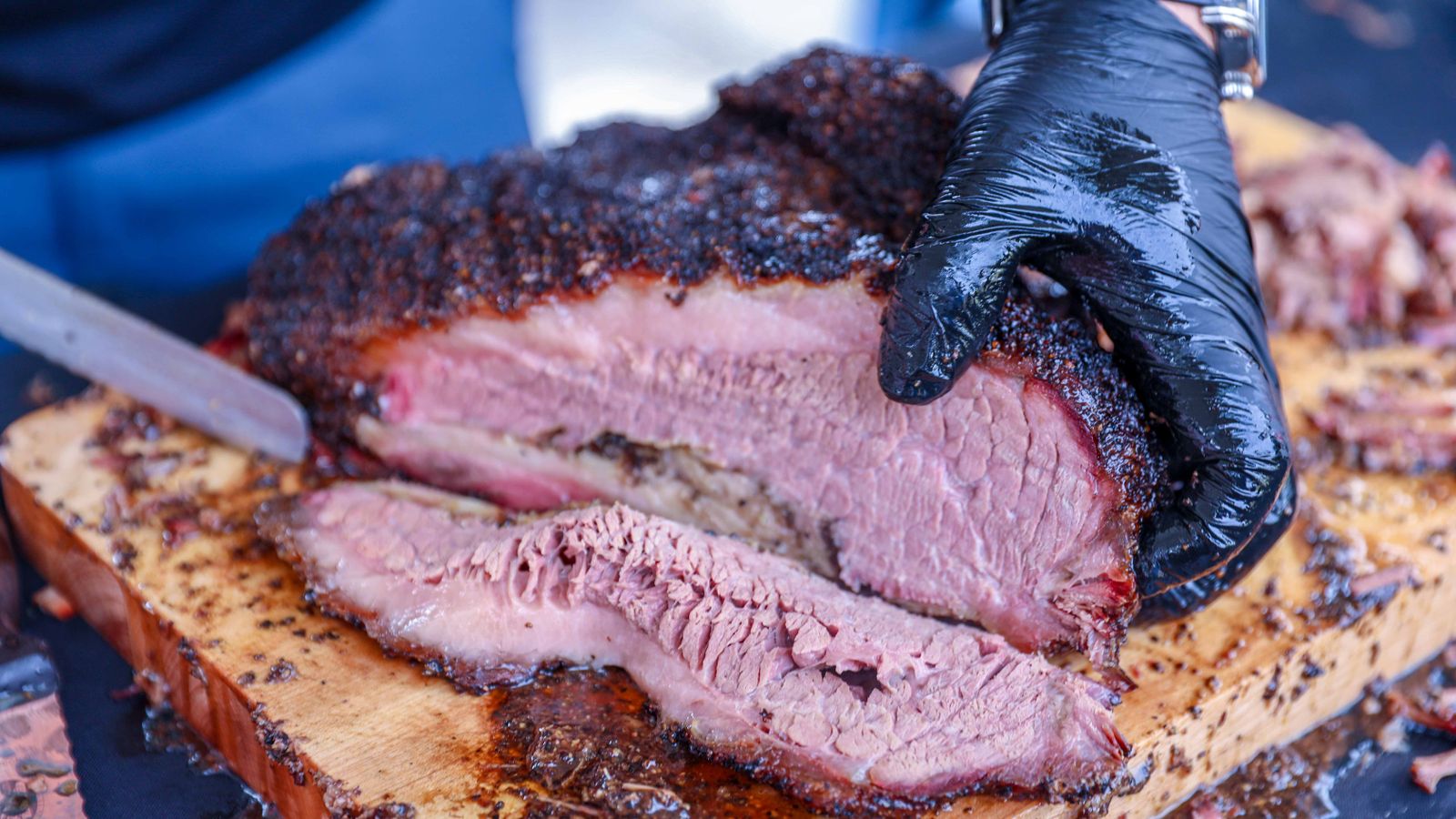
Your First Brisket: How Not to Ruin a $60 Piece of Meat
The three mistakes that turn a beautiful packer into a dry brick — and how to dodge all three.