
The Only Way to Grill Wings That Actually Get Crispy
The pantry trick and the fire setup that give you crackly skin instead of rubbery, flabby wings.
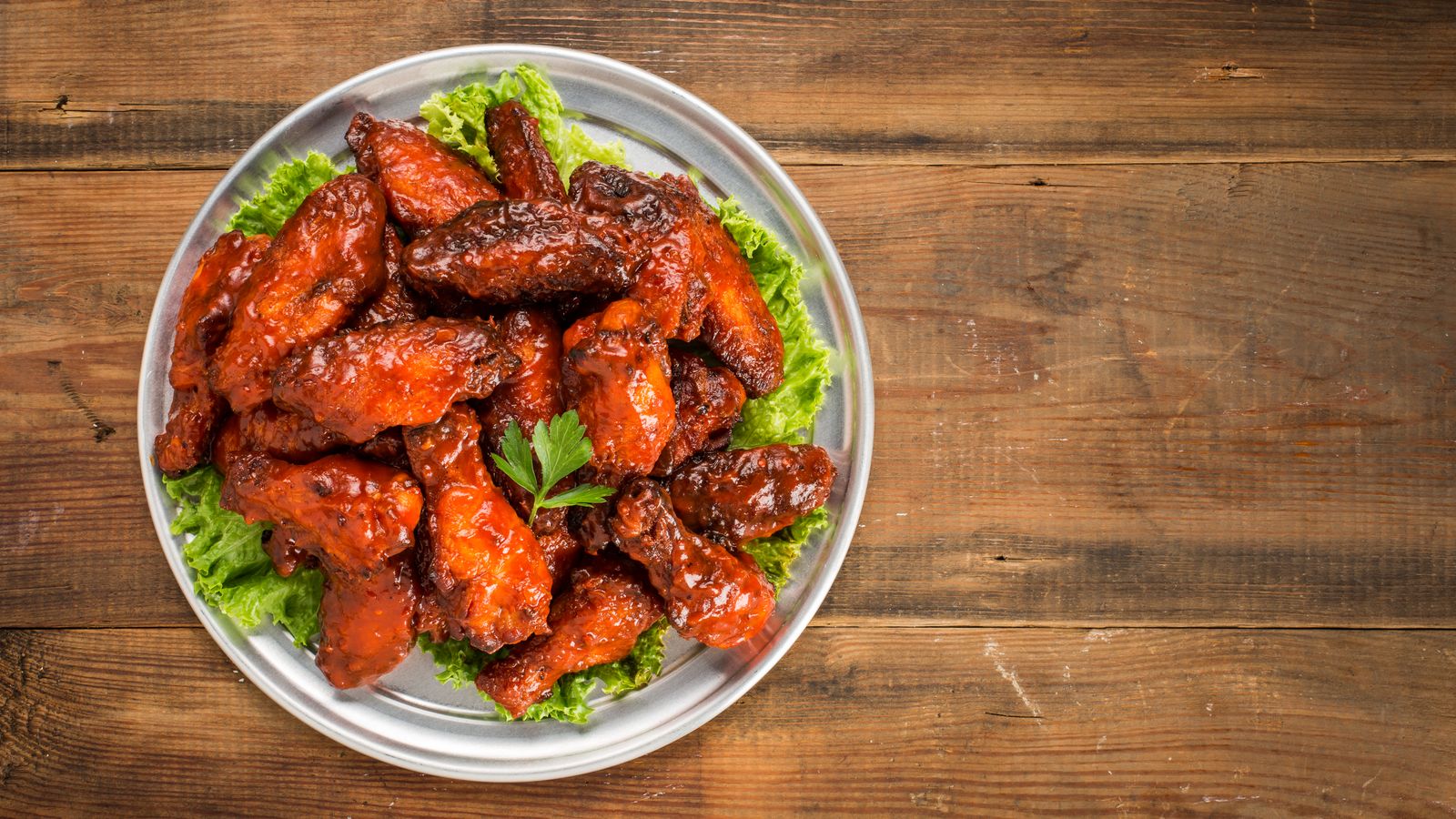
Grilled wings should be the easiest thing in the world — small, fast, forgiving. Instead they have a way of coming off the grill flabby and rubbery, with pale, chewy skin that never crisped, while somehow half of them are also charred. You bite in expecting a crackle and get a mouthful of sad, greasy skin. It's the most common wing disappointment there is, and you don't need a deep fryer to fix it.
The whole problem is the skin, and the skin has one requirement: its fat has to render — melt out slowly — before the outside can crisp. Blast a wing over direct flame and the surface chars long before that fat has a chance to render, so you get burnt-but-rubbery. Two small changes get you shatteringly crisp skin every time.
Crispy grilled wings come down to three things: pat them bone-dry, toss them with a little baking powder (not baking soda), and cook them two-zone — slow on the cool side to render the fat, then hot to crisp. Sauce only at the very end, and pull them at 175–185°F, hotter than usual, because wings are all dark meat.
Why grilled wings go rubbery
Chicken skin is mostly fat and water. To get crispy, two things have to happen: the water has to evaporate, and the fat under the skin has to melt away, leaving the skin thin enough to crisp and brown. Both take gentle, patient heat. Over a screaming-hot direct fire, the surface burns while the fat is still trapped underneath — so you end up with skin that's scorched and flabby at the same time. Fix the moisture and give the fat time to render, and the skin transforms.
Step 1: Dry them thoroughly
Wet skin steams; it can't crisp. Before anything else, pat the wings bone-dry with paper towels. If you have time, spread them on a rack in the fridge, uncovered, for a few hours or overnight — the cold, dry air pulls even more moisture out of the skin, and it makes a real difference. Dry skin is step zero for crisp skin.
Step 2: The baking powder trick
This is the pantry secret that gets you close to fried-crispy on a grill. Toss the dried wings with a little baking powder — specifically baking powder, aluminum-free, not baking soda — mixed into your salt and seasoning. Use about a teaspoon per pound of wings.
Here's why it works: baking powder raises the pH of the skin's surface, which speeds browning and, along with drawing out surface moisture, helps the skin dry, blister, and crisp instead of turning leathery. (Baking soda in that amount would taste metallic and soapy; powder is the one you want.) It's a tiny amount for an outsized result.
Step 3: Cook two-zone, slow then hot
Now the fire. A two-zone setup lets you render first, then crisp — the exact order the skin needs.
- Start on the cool, indirect side with the lid down. Let the wings cook gently here, slowly rendering the fat under the skin without charring it. This patient phase is the real secret to crispiness.
- Move them to the hot side once they're nearly cooked and the fat has rendered. A few minutes over direct heat now crisps and lightly chars the skin, turning it golden and crackly.
- Sauce at the very end — tossed in a bowl after they come off, or brushed on in the last minute over indirect heat — so the sugars don't burn.
The right temperature
Wings are all dark meat, and dark meat is actually better cooked past the usual "safe" 165°F. Pull them at 175–185°F internal: the extra heat renders more fat and breaks down connective tissue, so the meat is more tender and the skin crispier. They won't dry out the way a breast would.
Dry rub or wet sauce?
Both work, as long as the sauce goes on late. Dry-rubbed wings — seasoned and cooked as above, no sauce — crisp beautifully and let the skin shine. For classic buffalo or barbecue wings, cook them fully crisp first, then toss in sauce right at the end; the crisp skin holds up for a while before going soft. Saucing early is what ruins wings.
Skip: Throwing sauced wings over direct flame from the start. The sugar in barbecue and buffalo sauces burns black and bitter in minutes, long before the inside is done and the skin has rendered. Cook them naked and crisp, then sauce at the finish.
Keep going
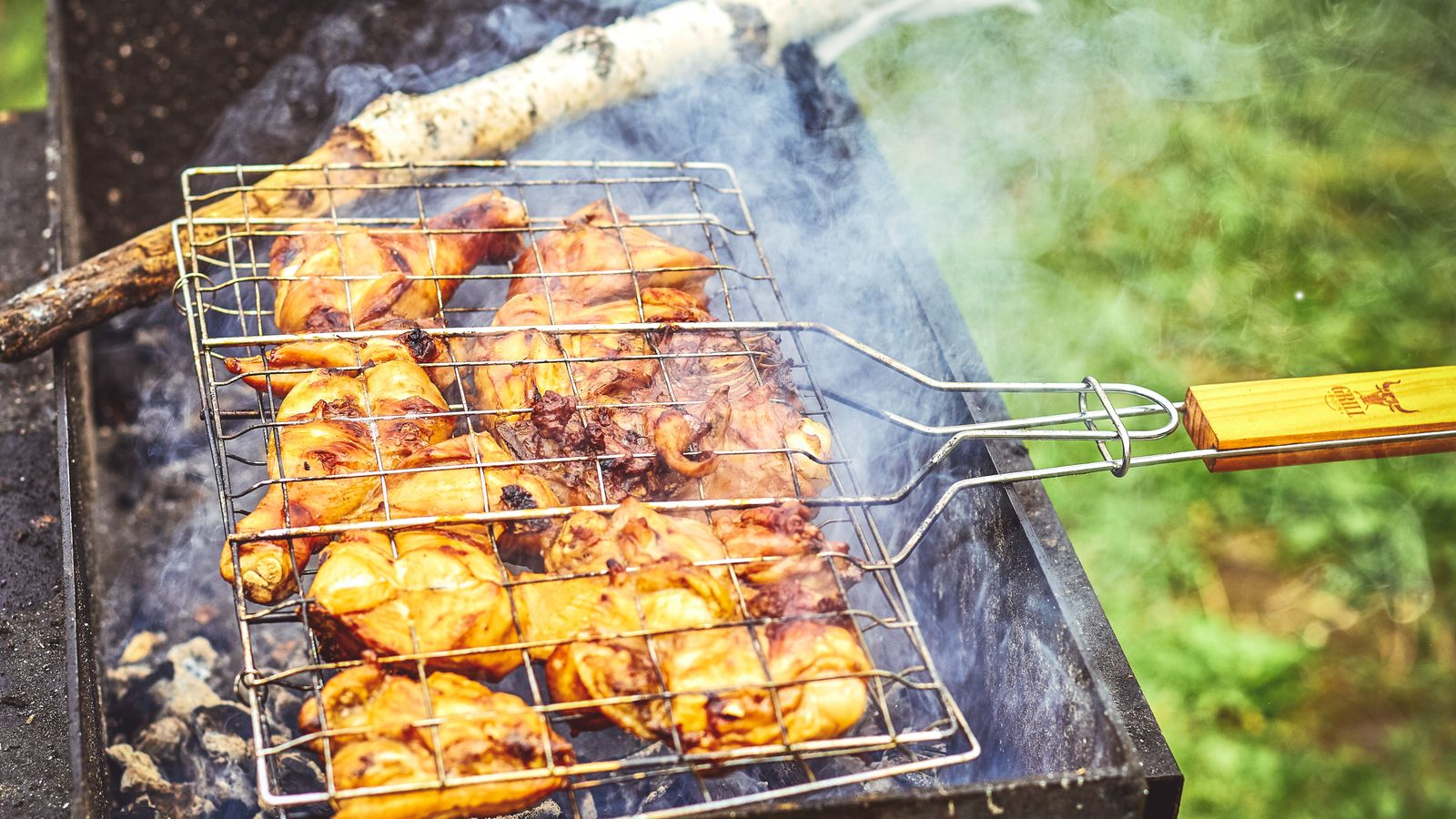
How to Grill Chicken That's Charred Outside and Done Inside
Stop choosing between burnt and pink — the setup that gets you both right.
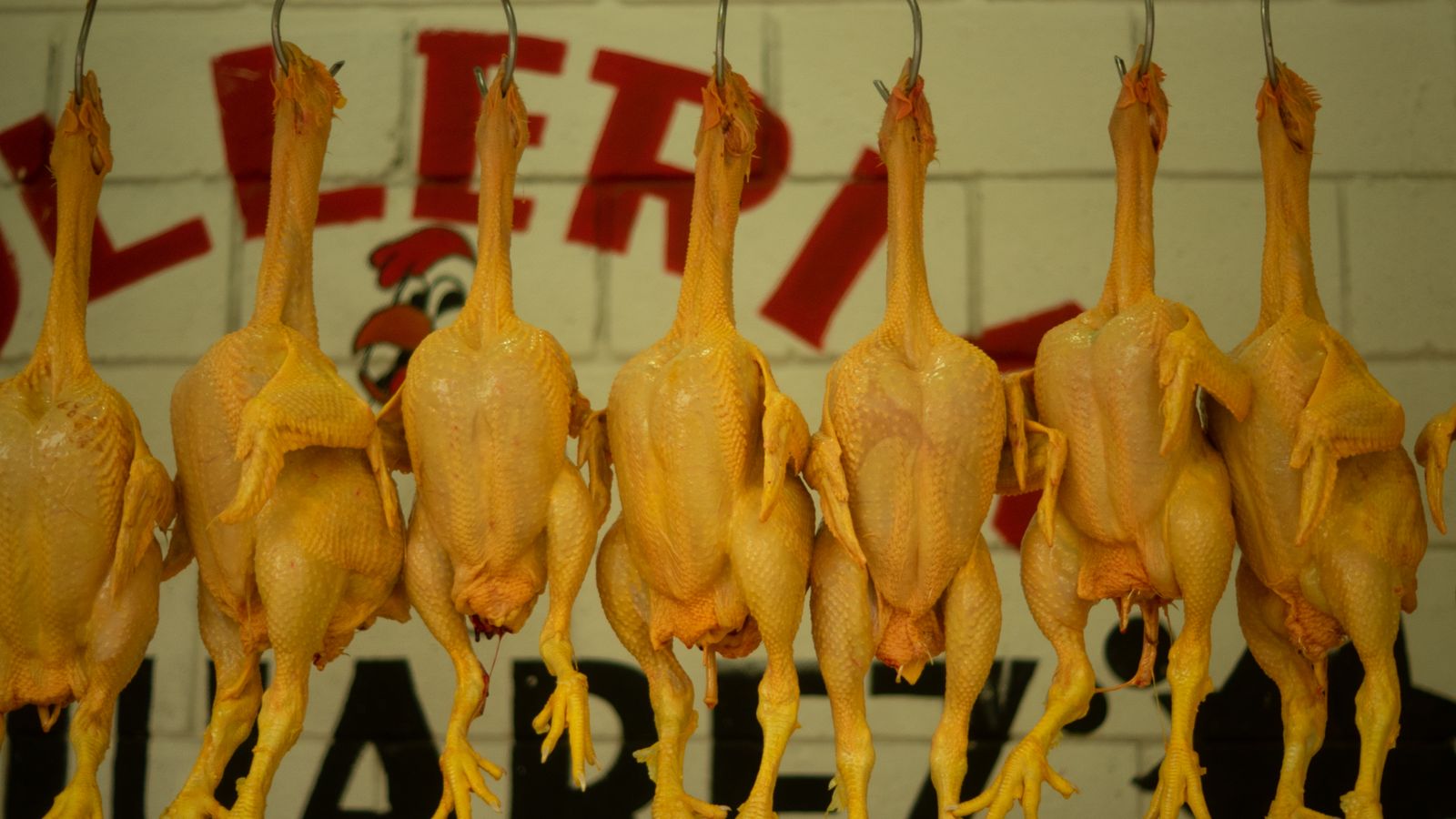
Why You Should Brine Poultry (And a 4-Ingredient Brine That Works)
Ten minutes of prep the night before is the difference between dry breast and juicy every time.
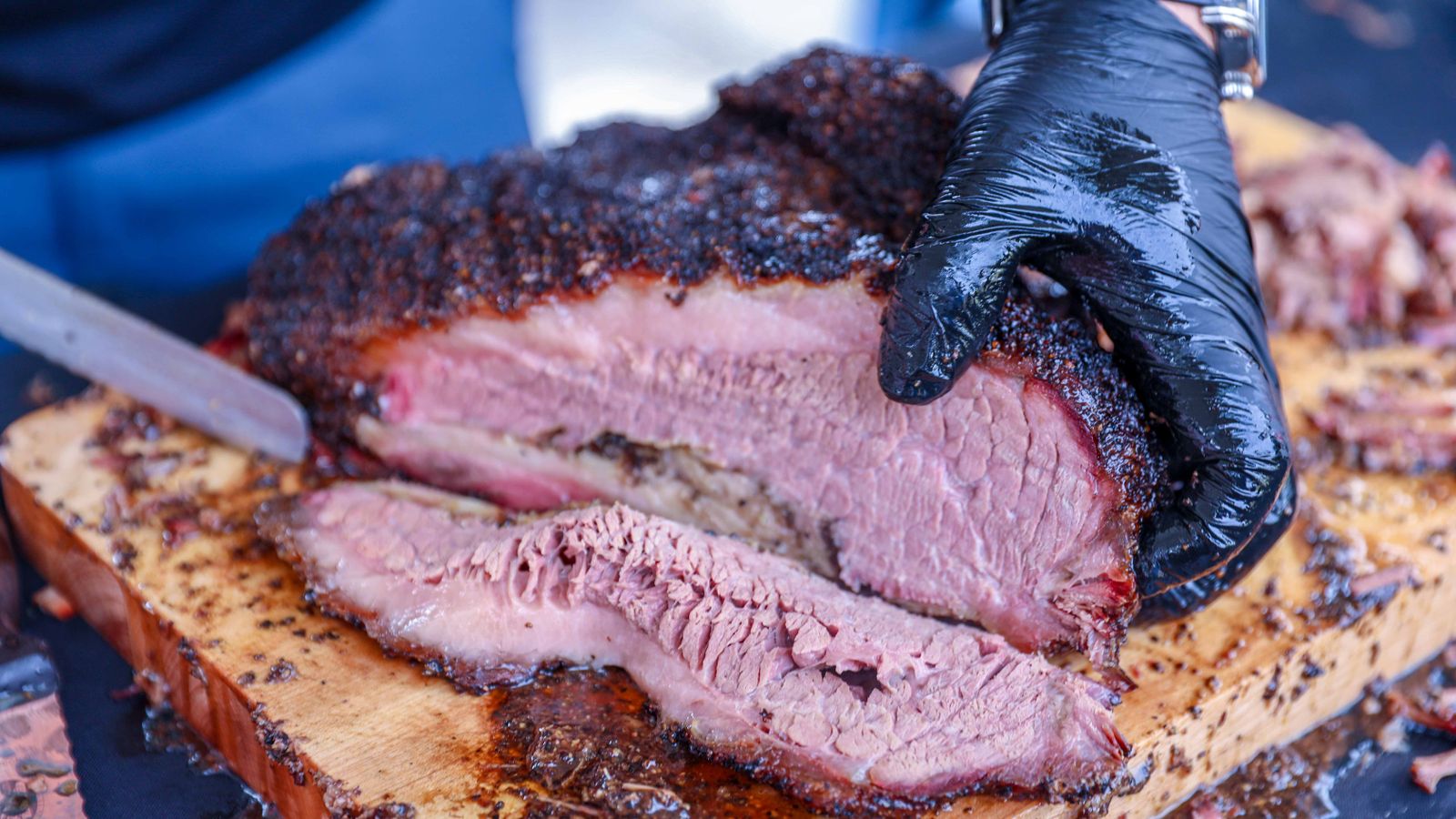
Your First Brisket: How Not to Ruin a $60 Piece of Meat
The three mistakes that turn a beautiful packer into a dry brick — and how to dodge all three.