
Pulled Pork on a Regular Grill (No Smoker Needed)
A kettle and a couple of wood chunks make a pork butt every bit as good as a dedicated smoker.
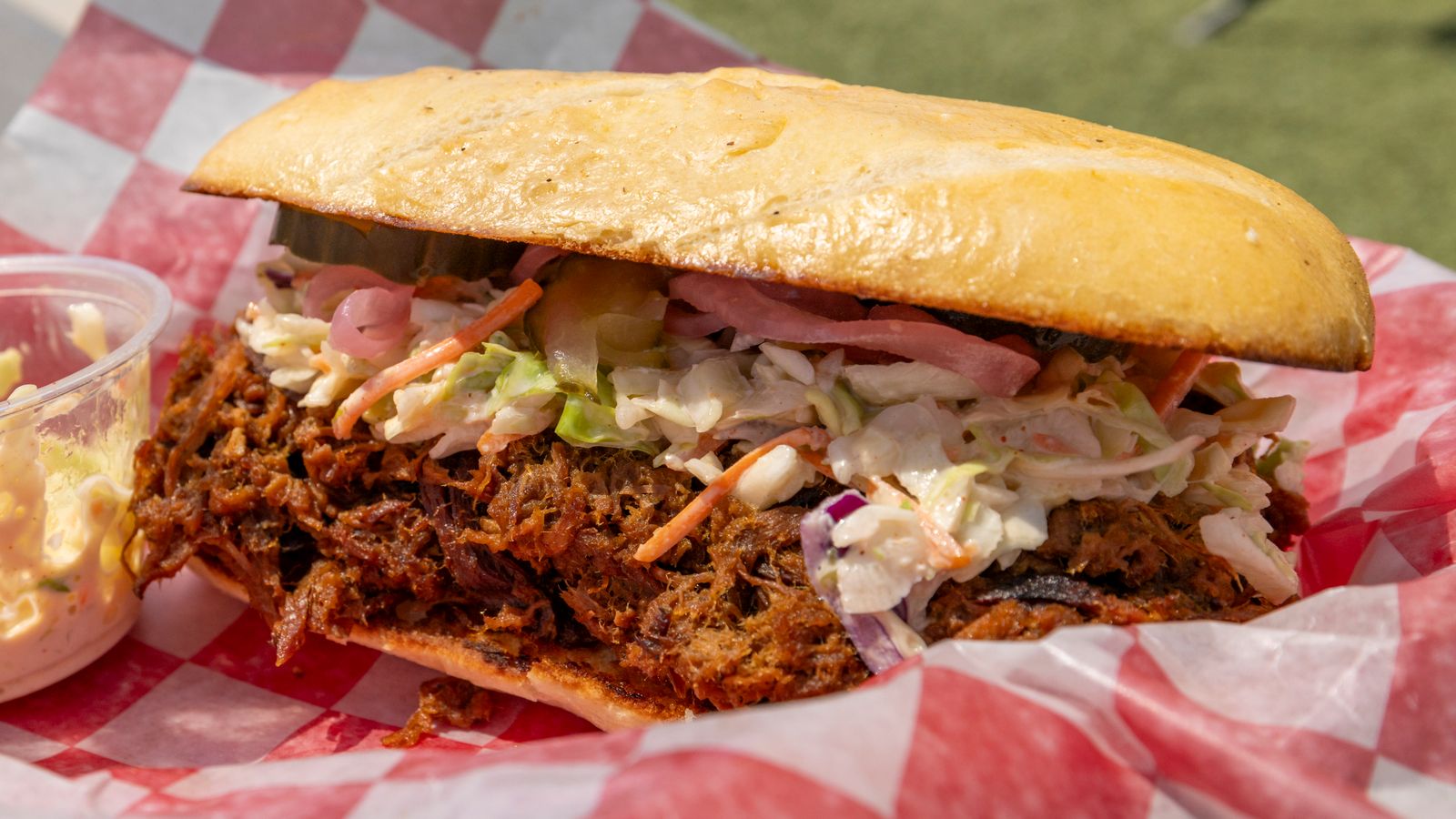
Somewhere along the way, pulled pork got a reputation as something you can only make on a thousand-dollar offset smoker after a fourteen-hour vigil. It's not true. A basic charcoal kettle — the round one in half the garages in America — or even an ordinary gas grill will turn a cheap pork shoulder into a mountain of smoky, tender, shreddable meat. The trick isn't special equipment. It's cooking the pork like a smoker would: low, slow, indirect, and with a little wood for flavor.
A pork shoulder (sold as "pork butt" or "Boston butt") is the ideal cut for this because it's loaded with fat and collagen that melt over a long, gentle cook into rich, self-basting meat. It's also cheap and almost impossible to dry out if you take it far enough. Here's how to do it on the grill you already own.
Turn any grill into a smoker: build a two-zone, low-and-slow fire (around 250°F), put the pork on the cool, indirect side with the lid down, add a couple of wood chunks or a chip packet for smoke, and cook it to 200–205°F internal, when a probe slides in with no resistance. Then rest it and shred.
Set the grill up as a smoker
The whole game is indirect heat: the pork should never sit directly over the fire, or the outside burns long before the inside is done.
- Build a two-zone fire and keep it low. On charcoal, bank a modest pile of coals to one side; on gas, light only one side. Aim for a steady 250°F with the lid down — lower than grilling, closer to an oven set to warm.
- Put the pork on the cool side, fat cap up, away from the flames, so it cooks gently in the trapped, circulating heat.
- Add smoke. Drop a couple of wood chunks on the charcoal, or set a foil packet of chips over a lit gas burner. A little goes a long way.
- Add a water pan on the cool side to steady the temperature and keep the air humid, which helps the meat stay moist over the long haul.
On charcoal you'll need to top up the coals every hour or two to hold the temperature — light a fresh batch in a chimney and add them as needed. On gas, just keep an eye on the dial.
Season it simply
Pork shoulder takes well to a basic rub — salt, pepper, paprika, a little brown sugar and garlic powder if you like. Coat it all over the night before or a few hours ahead. You don't need anything fancy; the long smoke and the fat do most of the flavor work.
Cook it to shred, not to a clock
This is the part people get wrong: pulled pork is not done when it hits a "safe" temperature. It's done when it's ready to fall apart, and that's much higher.
- Cook to 200–205°F internal. At that point the collagen has fully rendered, a probe slides in with zero resistance, and the blade bone wiggles free. That's the shred point.
- Expect a stall. Somewhere around 160–170°F the temperature will park for a while as the meat sweats — that's normal. Wrap it in foil once the bark looks good and dark to push through it faster.
- Give it time. A shoulder can take the better part of a day. Start early and lean on the cooler hold if it finishes ahead of schedule.
Rest, then pull
When it's probe-tender, rest it wrapped for 30 to 60 minutes — the same rule as brisket, so the juices redistribute instead of running out. Then pull it apart with two forks or gloved hands, discarding the bone and any big chunks of unrendered fat. Mix the dark, crusty bark back through the soft interior so every forkful gets some of that flavor. A splash of finishing sauce or a little of the rendered juices, and it's done.
Skip: Pulling a pork butt at "just cooked," the way you would a chop. At 160–170°F it's technically safe but tough, and it will not shred — the collagen hasn't broken down yet. Pulled pork has to go well past that, up toward 203°F, to turn tender. Undercooked shoulder is the number-one pulled-pork disappointment, and it's entirely avoidable with a thermometer and patience.
Keep going
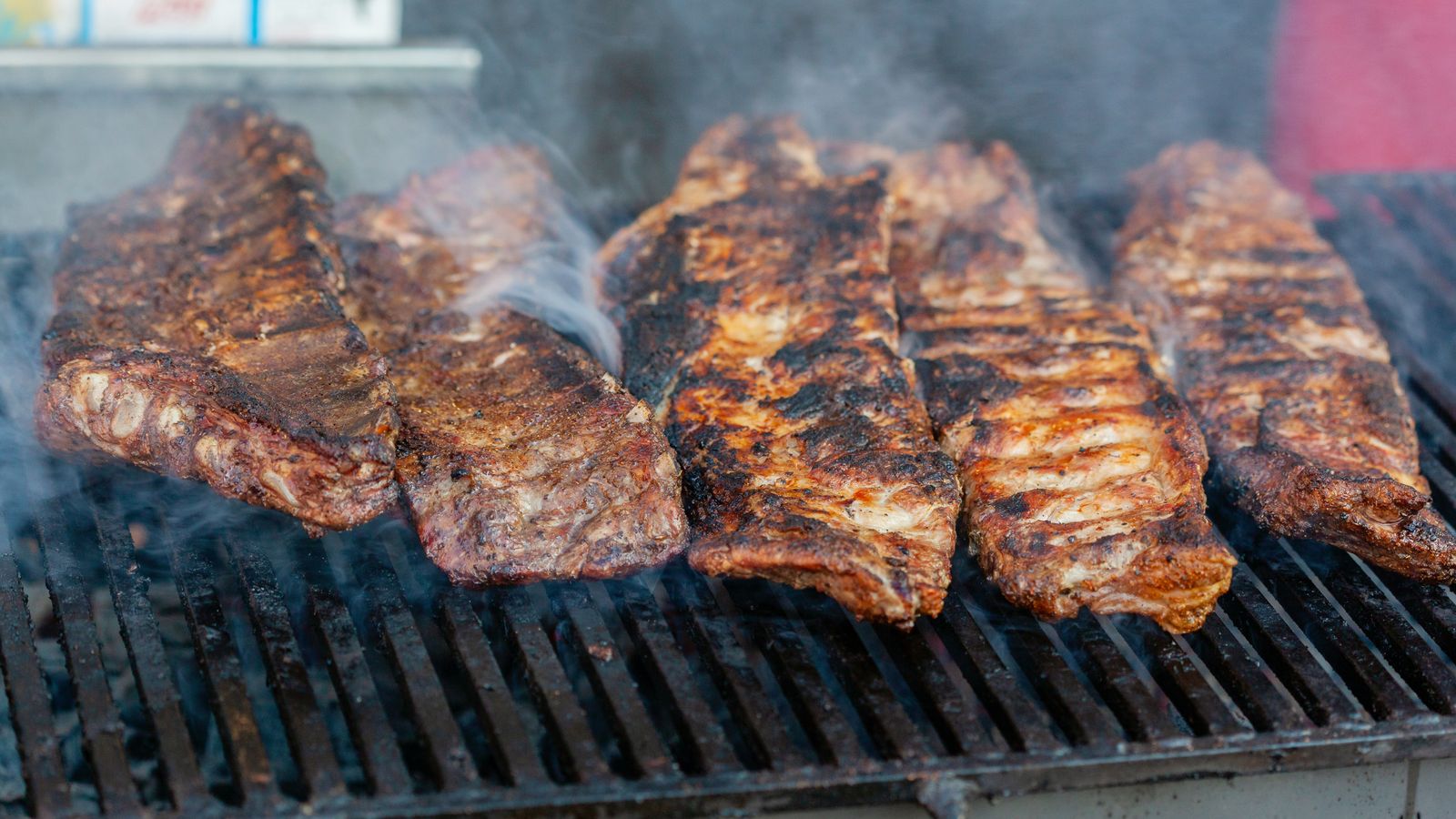
Fall-Off-the-Bone Ribs Are Overcooked — Here's the Bite You Want
Competition cooks don't want mush. Here's the tender-with-a-tug texture that's actually right.
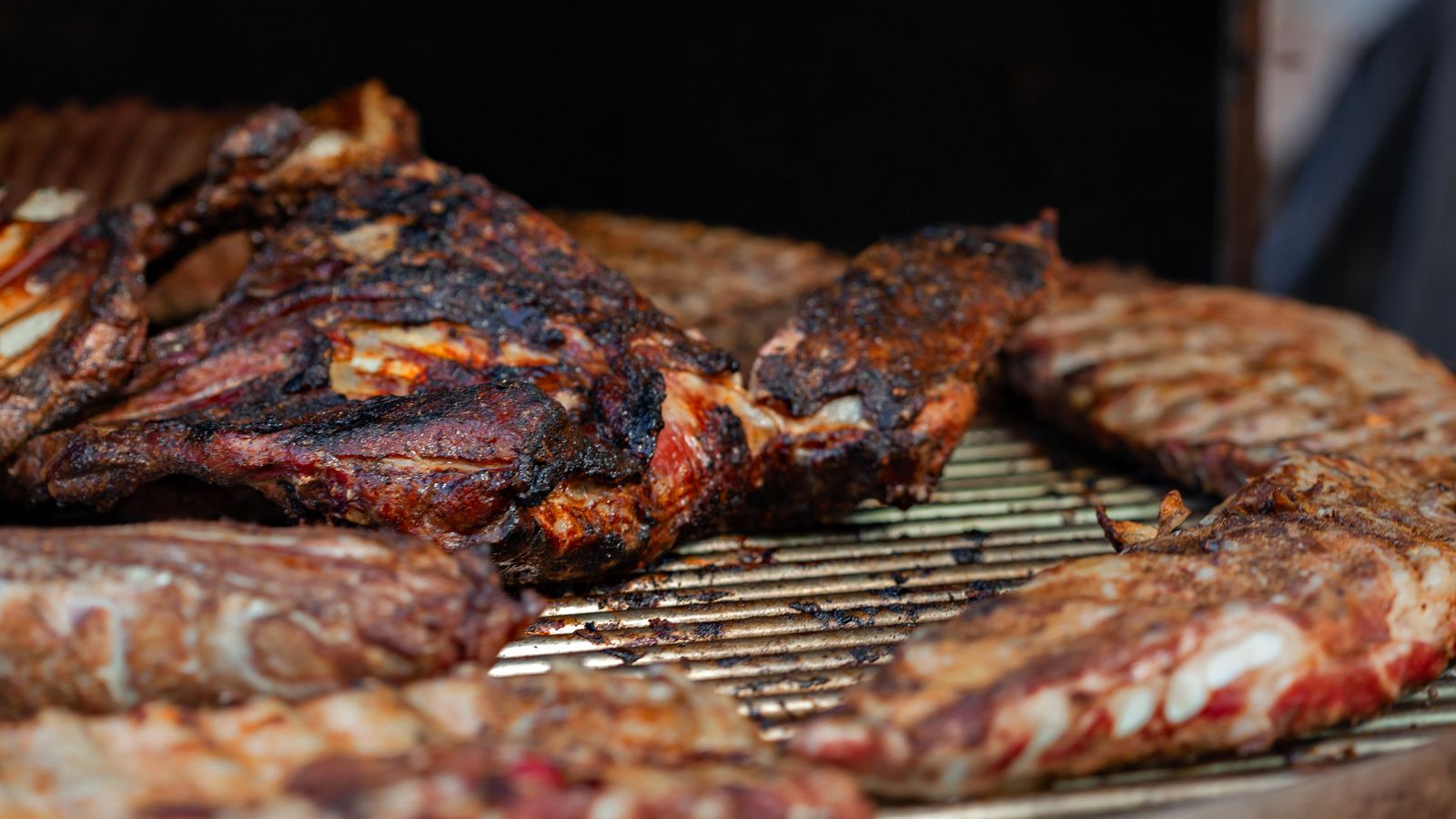
The 3-2-1 Rib Method, and When to Skip It
A foolproof formula for beginners — and the reason experienced cooks stop using it.
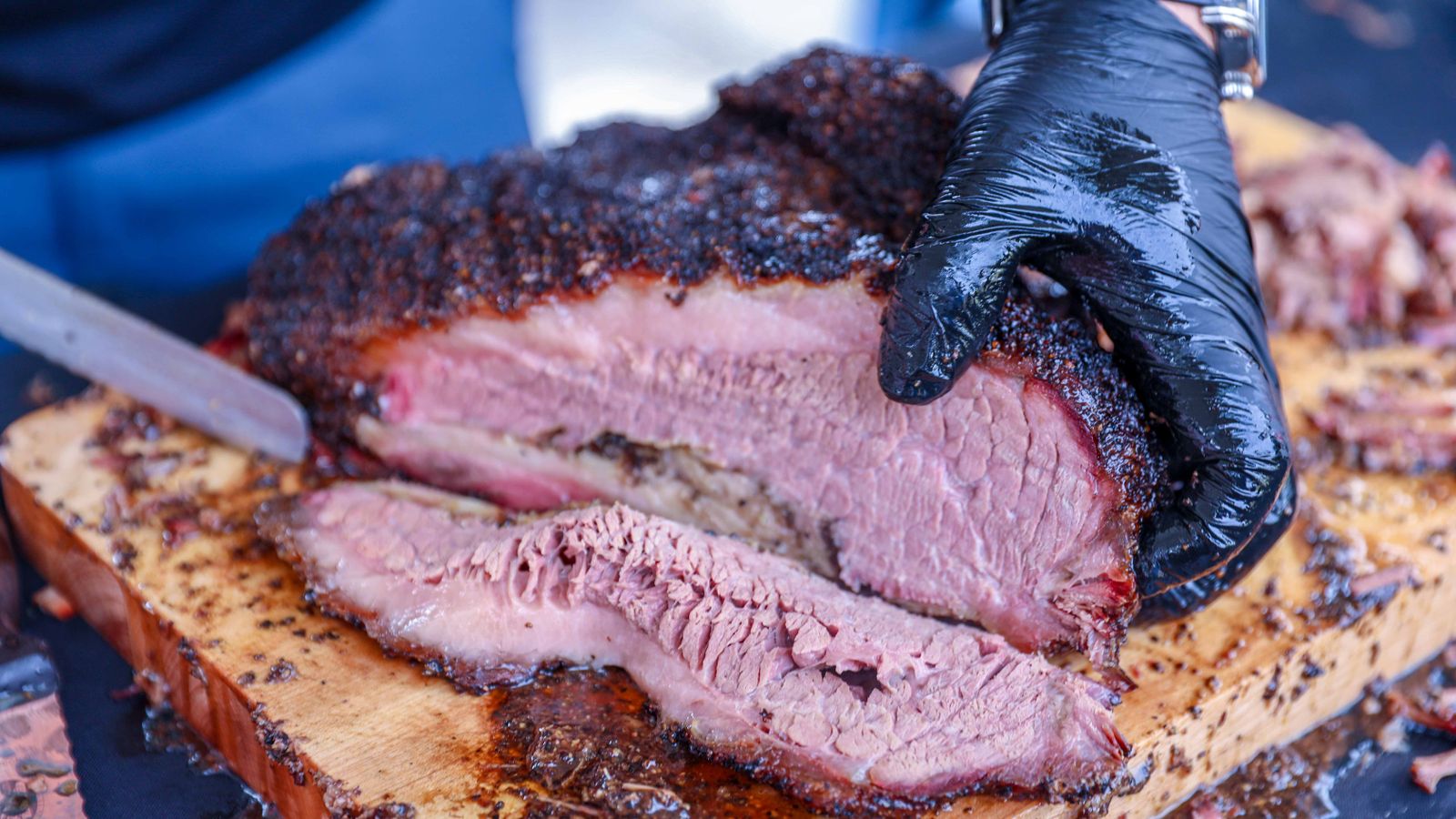
Your First Brisket: How Not to Ruin a $60 Piece of Meat
The three mistakes that turn a beautiful packer into a dry brick — and how to dodge all three.