
The 3-2-1 Rib Method, and When to Skip It
A foolproof formula for beginners — and the reason experienced cooks stop using it.
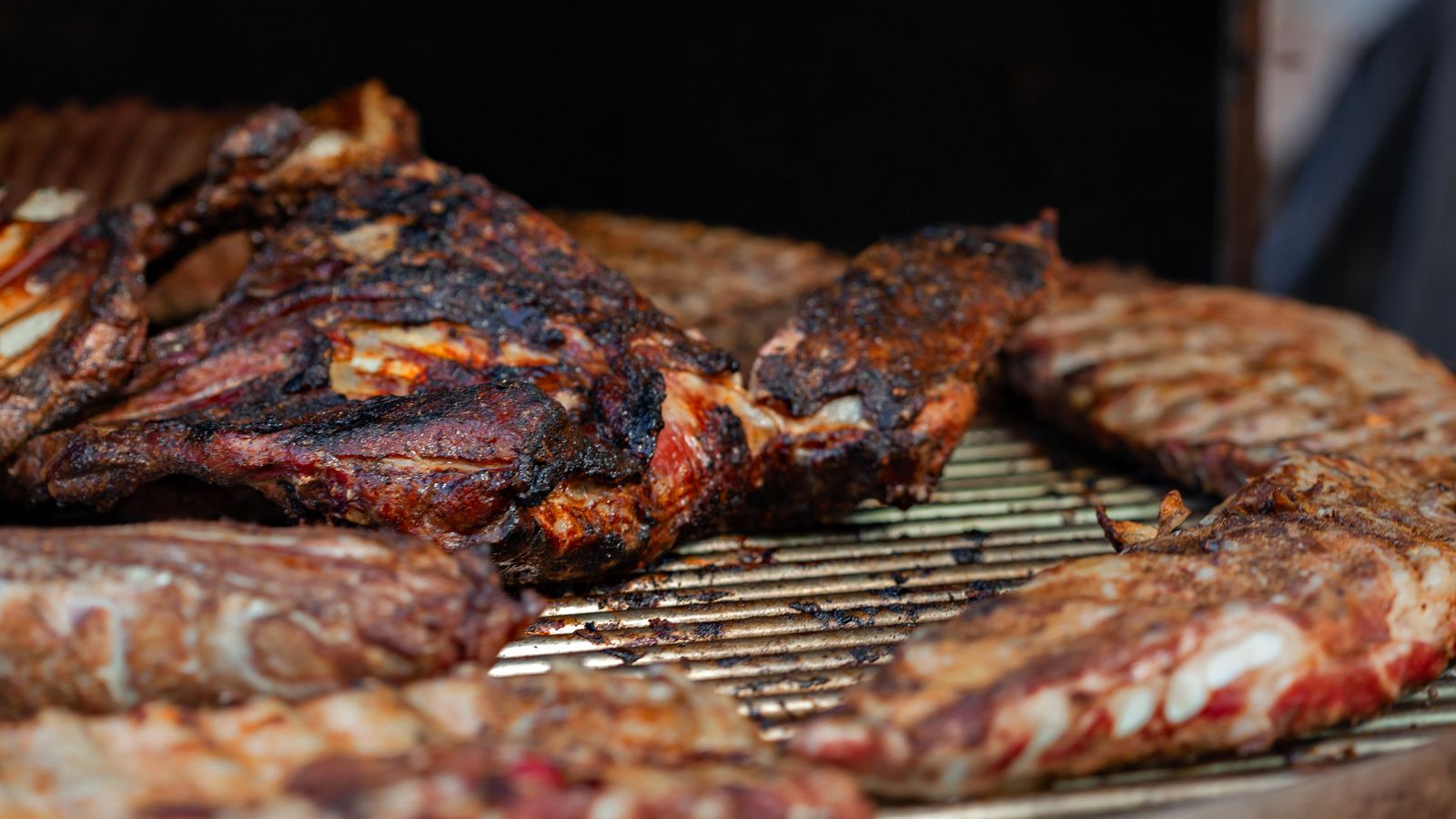
If you've never smoked ribs and want a plan that just works the first time, the 3-2-1 method is it. It's the training wheels of barbecue — a simple formula that hands you tender, presentable ribs while you're still learning what "done" actually looks and feels like. You don't have to read the meat yet; you just follow three numbers.
Later, once you can judge ribs by eye and feel, most cooks loosen up or drop the formula entirely. But as a first framework it removes the guesswork and gets a solid rack off the smoker while you build the instincts to freestyle it. Here's exactly what the numbers mean, how to adjust them, and when to leave them behind.
3-2-1 is three phases at 225–250°F for spare ribs: 3 hours smoking unwrapped, 2 hours wrapped in foil to tenderize, 1 hour unwrapped again to firm the bark and set the sauce. For smaller baby backs, dial it back to roughly 2-2-1.
What each number is doing
The magic isn't the exact timing — it's that each phase has a job.
- 3 — Smoke (unwrapped). The ribs sit naked in the smoke at 225–250°F, taking on smoke flavor and building the beginnings of bark. This is where the flavor and color come from.
- 2 — Wrap (foil). You wrap the ribs tightly in foil, usually with a splash of liquid — apple juice, or a little butter and brown sugar, whatever you like. Sealed up, they steam in their own moisture, which rapidly breaks down the connective tissue and makes them tender. This is the tenderizing phase, and it's the fastest route to soft ribs.
- 1 — Firm up (unwrapped again). Back out of the foil for the last stretch to firm up the bark that went soft under the wrap, and — if you sauce — to brush on a glaze and let it set into a sticky finish instead of a burnt one.
Adjust for the rack you actually have
The original 3-2-1 was written for meaty spare ribs (and their trimmed cousin, the St. Louis cut). They're big and forgiving. Baby backs are smaller and leaner, so the same timing blows right past done into mush. For baby backs, run something more like 2-2-1, and start checking earlier. Thickness and your smoker's real temperature matter more than the label on the package — a hot smoker or a thin rack finishes sooner.
How to run it, step by step
- Prep and season. Pull the membrane off the back of the rack, then coat both sides with a simple rub. Get the smoker steady at 225–250°F.
- Smoke 3 hours unwrapped (2 for baby backs), meat side up, adding your smoke wood early.
- Wrap 2 hours in foil with a little liquid, sealed tight, back on the smoker.
- Unwrap for the final 1 hour, sauce in the last 20–30 minutes if you want a glaze, and pull when the bend test looks right.
When to skip it
3-2-1 has one real weakness: that two-hour foil phase steams the ribs quite soft, often into fall-off-the-bone territory — which, as any competition cook will tell you, is technically overcooked. Once you can read ribs by feel, you'll probably want to cut the wrap time (say, 3-1.5-1) or skip the wrap altogether for a firmer, meatier bite and a better bark. Use 3-2-1 to learn the rhythm and get reliable results, then graduate to cooking by the bend test and your own eyes. The formula is a starting point, not a finish line.
The liquid you add in the wrap is a flavor opportunity, not a rule. Apple juice keeps it classic; butter and brown sugar push it sweet and sticky; a splash of your barbecue sauce ties it to the glaze. Keep it small — you're steaming, not braising.
Skip: Following the clock blindly if your smoker runs hot or the ribs are thin. The numbers assume 225–250°F and meaty spare ribs; stray from that and you'll overcook. Treat 3-2-1 as a guide, and always confirm with the bend test before you call them done.
Keep going
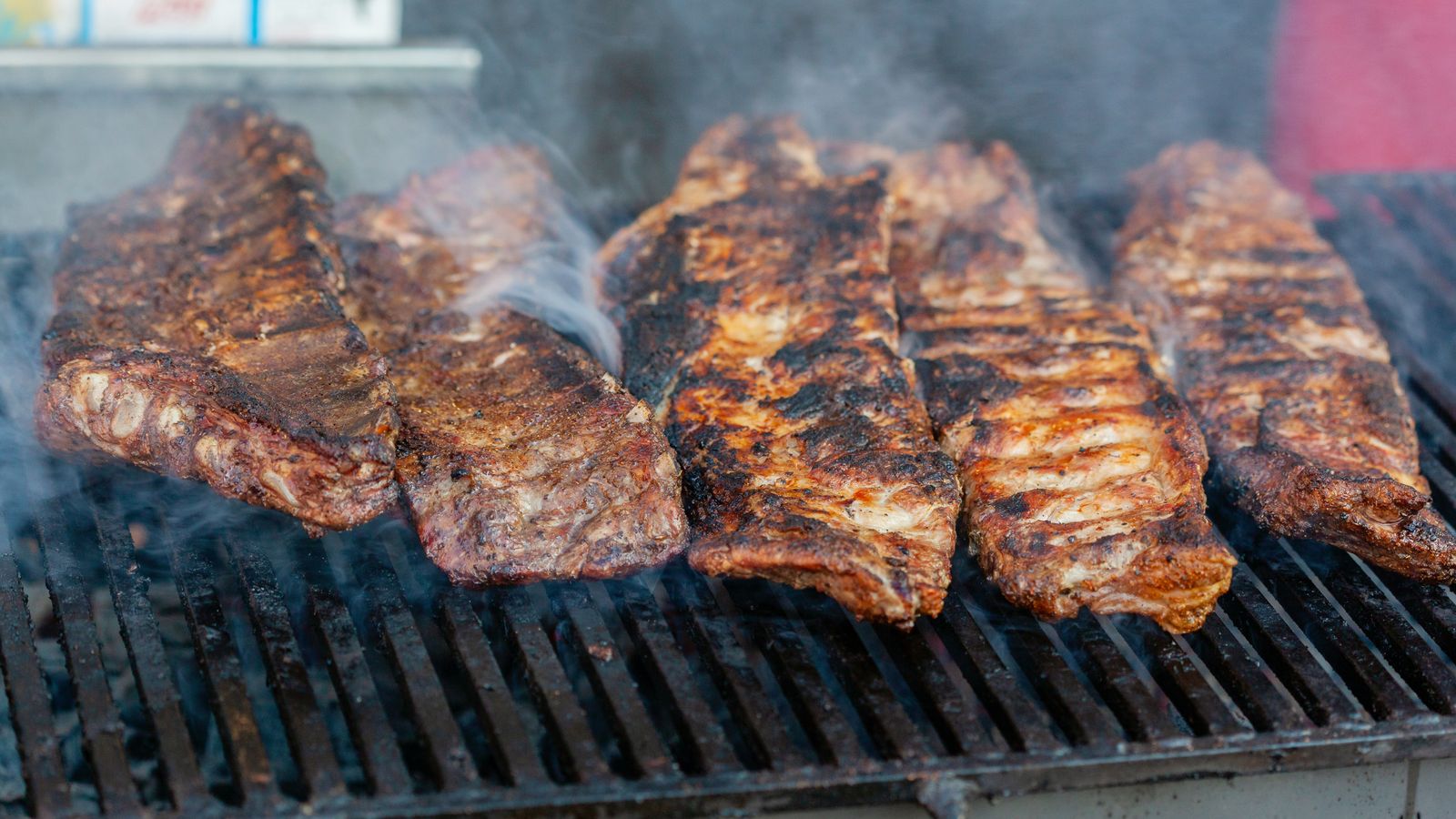
Fall-Off-the-Bone Ribs Are Overcooked — Here's the Bite You Want
Competition cooks don't want mush. Here's the tender-with-a-tug texture that's actually right.
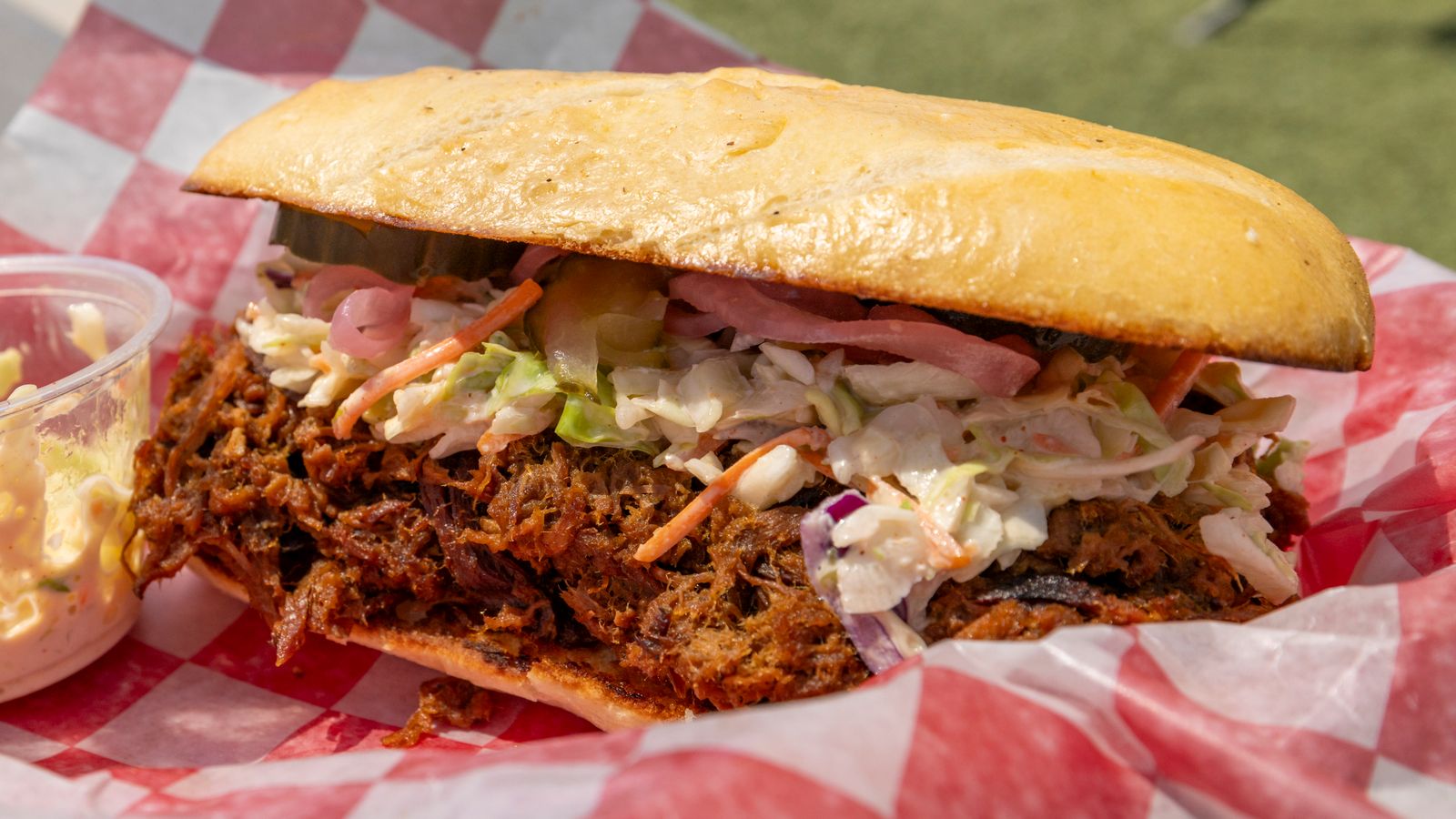
Pulled Pork on a Regular Grill (No Smoker Needed)
A kettle and a couple of wood chunks make a pork butt every bit as good as a dedicated smoker.
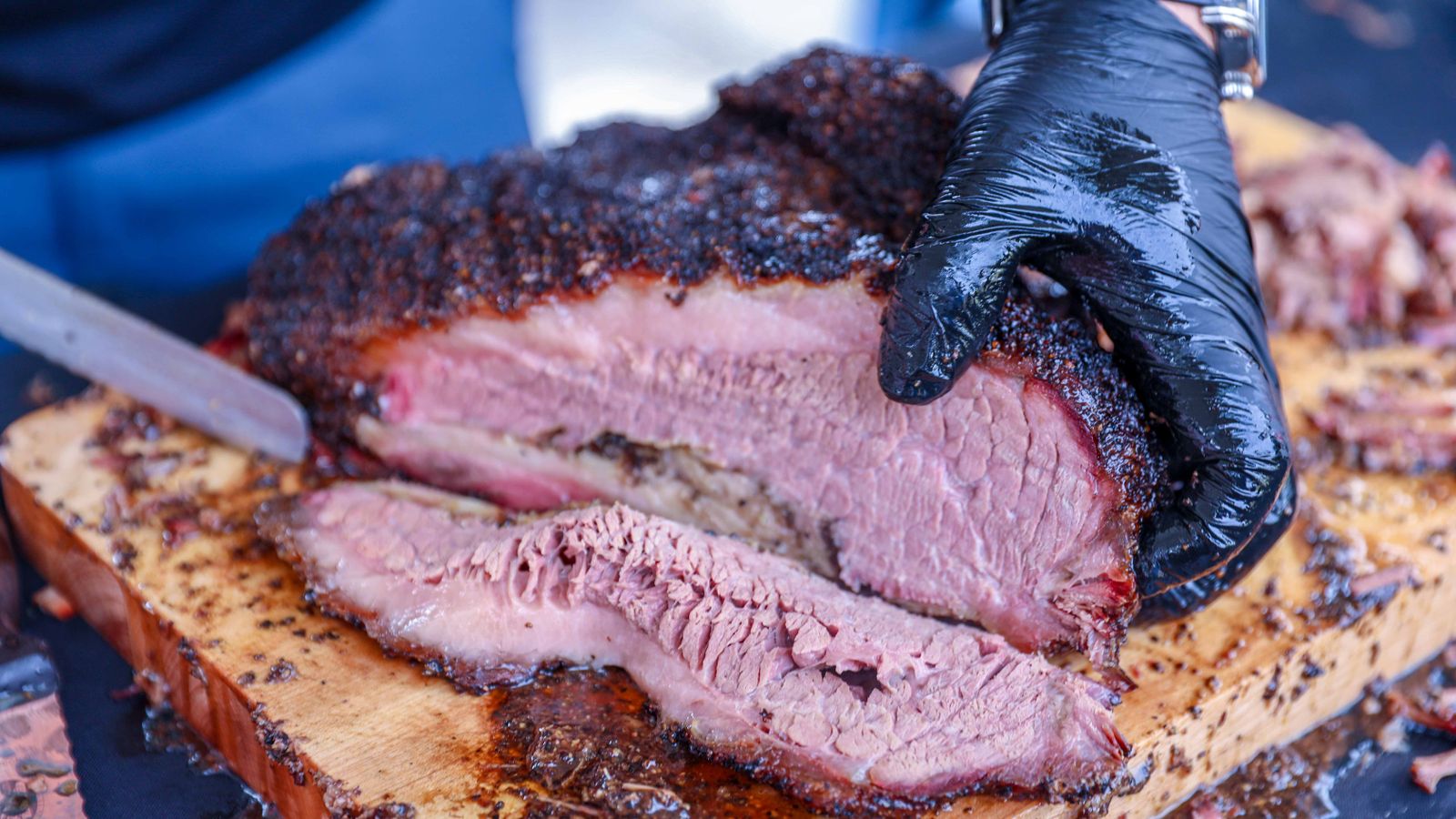
Your First Brisket: How Not to Ruin a $60 Piece of Meat
The three mistakes that turn a beautiful packer into a dry brick — and how to dodge all three.