
Fall-Off-the-Bone Ribs Are Overcooked — Here's the Bite You Want
Competition cooks don't want mush. Here's the tender-with-a-tug texture that's actually right.
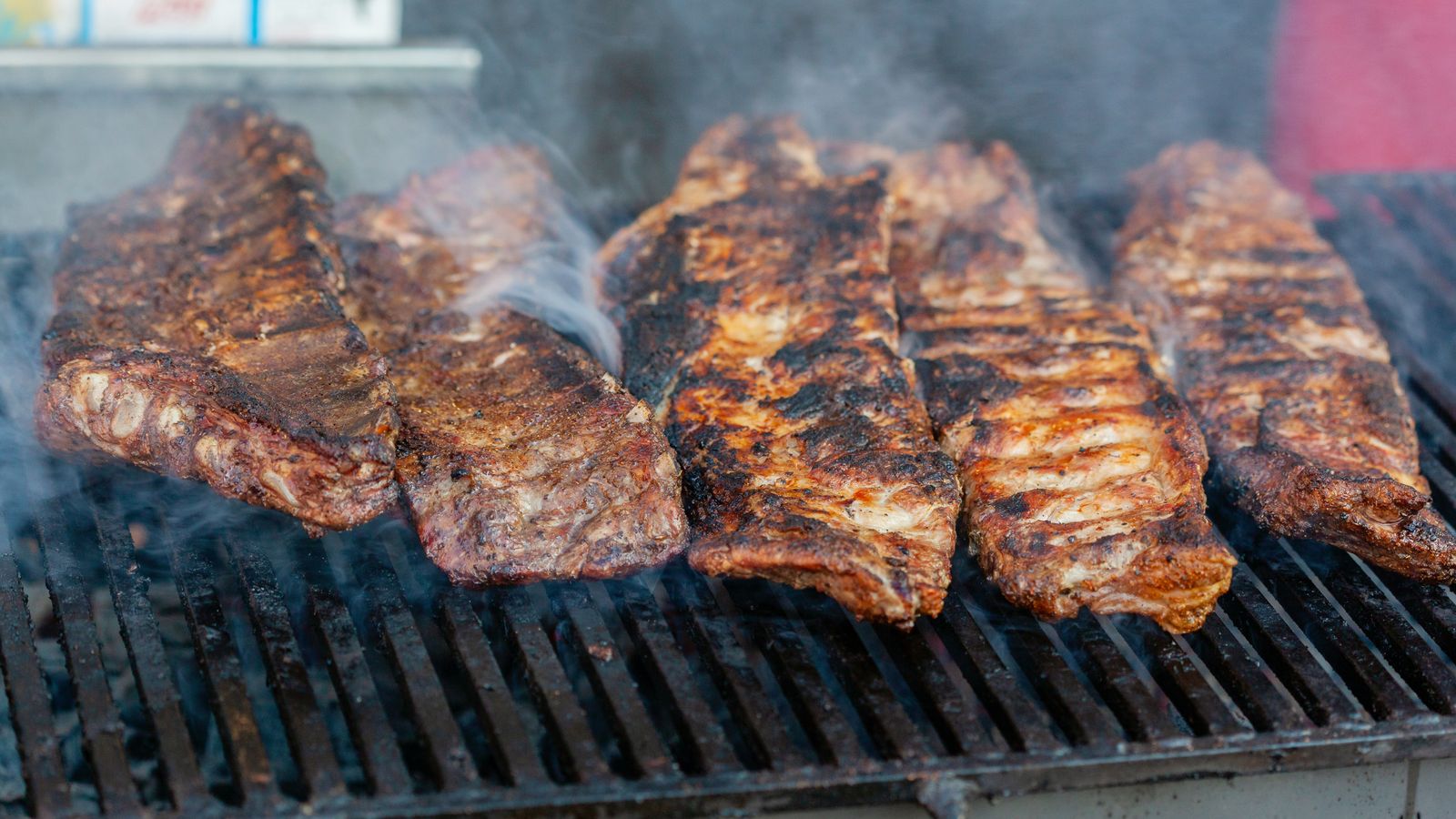
You grew up hearing it, saw it on every menu and every TV cook-off: great ribs "fall right off the bone." So that's what you chase — meat so tender it slides off in a heap the moment you pick it up. Here's the quiet truth the barbecue world actually agrees on: fall-off-the-bone ribs are overcooked. They've gone past tender into mushy, and every competition cook in the country would get them sent back.
What you actually want is a rib with a clean bite — meat that pulls away neatly right where your teeth close, tender but with the slightest pleasant tug, leaving a clean bite mark on the bone. It's more tender than a pork chop but still has structure. Once you know that's the target, ribs get a lot easier, because you stop cooking them into oblivion trying to hit a texture that was never the goal.
Perfect ribs are tender with a little tug, not mush. Judge them by feel and look, not the clock or a thermometer: the bend test and the meat pulling back from the bone ends tell you they're done. If the meat falls off when you lift the rack, you've gone too far.
Why fall-off-the-bone means overcooked
Ribs are done when their connective tissue (collagen) has broken down into gelatin — that's what makes them tender and juicy. Pull them right then and you get the clean bite. Keep cooking past it and the collagen fully dissolves while the muscle fibers themselves start to give way; the meat loses all its structure and turns to wet mush that literally falls apart. It tastes overcooked, too — washed-out and stringy — because you've cooked the texture and a lot of the flavor right out of it.
How to know they're actually done
Ribs are thin, so a thermometer is less reliable than it is on a brisket — the numbers move fast and vary across the rack. Read them by feel instead:
- The bend test: lift the rack from one end with tongs. Done ribs bow under their own weight and the surface cracks slightly on top. If they flop limply and threaten to break in half, they're overdone; if they stay stiff and barely bend, they need more time.
- The bite/tear test: a done rib pulls away cleanly and leaves a neat mark when you bite or tear it — it doesn't slide off in a wet clump, and it doesn't fight you.
- Bone pullback: as ribs finish, the meat shrinks and the ends of the bones poke out by a quarter to a half inch. Lots of exposed bone is a strong visual sign they're close.
- Temperature, roughly: if you do probe, ribs finish somewhere around 195–203°F — but feel beats the number here.
Getting there
The path to a clean bite is the same low-and-slow patience as any barbecue:
- Cook at 225–250°F. Low and steady renders the collagen without drying the meat.
- Watch for the signs, not the clock. Spare ribs usually take in the neighborhood of five to six hours, baby backs a bit less — but check with the bend test as you get close rather than trusting a time.
- Sauce late. If you sauce, brush it on only in the last 20–30 minutes, so the sugars set into a glaze instead of burning black over the whole cook.
The membrane — pull it first
One prep step makes a real difference: peel the thin, papery membrane off the back of the rack before cooking. It never softens, it blocks smoke and seasoning from the underside, and it turns rubbery. Slide a butter knife under it at one end, grab it with a paper towel, and pull — it usually comes off in a single sheet.
Wrapping is your texture dial
Wrapping ribs partway through (in foil, often with a little liquid) steams them tender faster — it's how you get very soft ribs quickly. But it's also exactly how people overshoot into mush, because steaming is aggressive. If you want a firmer, meatier, competition-style bite, wrap for less time or don't wrap at all and cook them straight through. The more you wrap, the softer they get — so treat wrap time as the dial between "meaty" and "falling apart."
Skip: Boiling ribs before grilling. It's the fastest way to gray, waterlogged, flavorless meat — you're literally pouring the flavor down the drain. Low heat and time deliver everything boiling promises (tender meat) without gutting the taste. If a recipe tells you to boil ribs, ignore it.
Keep going
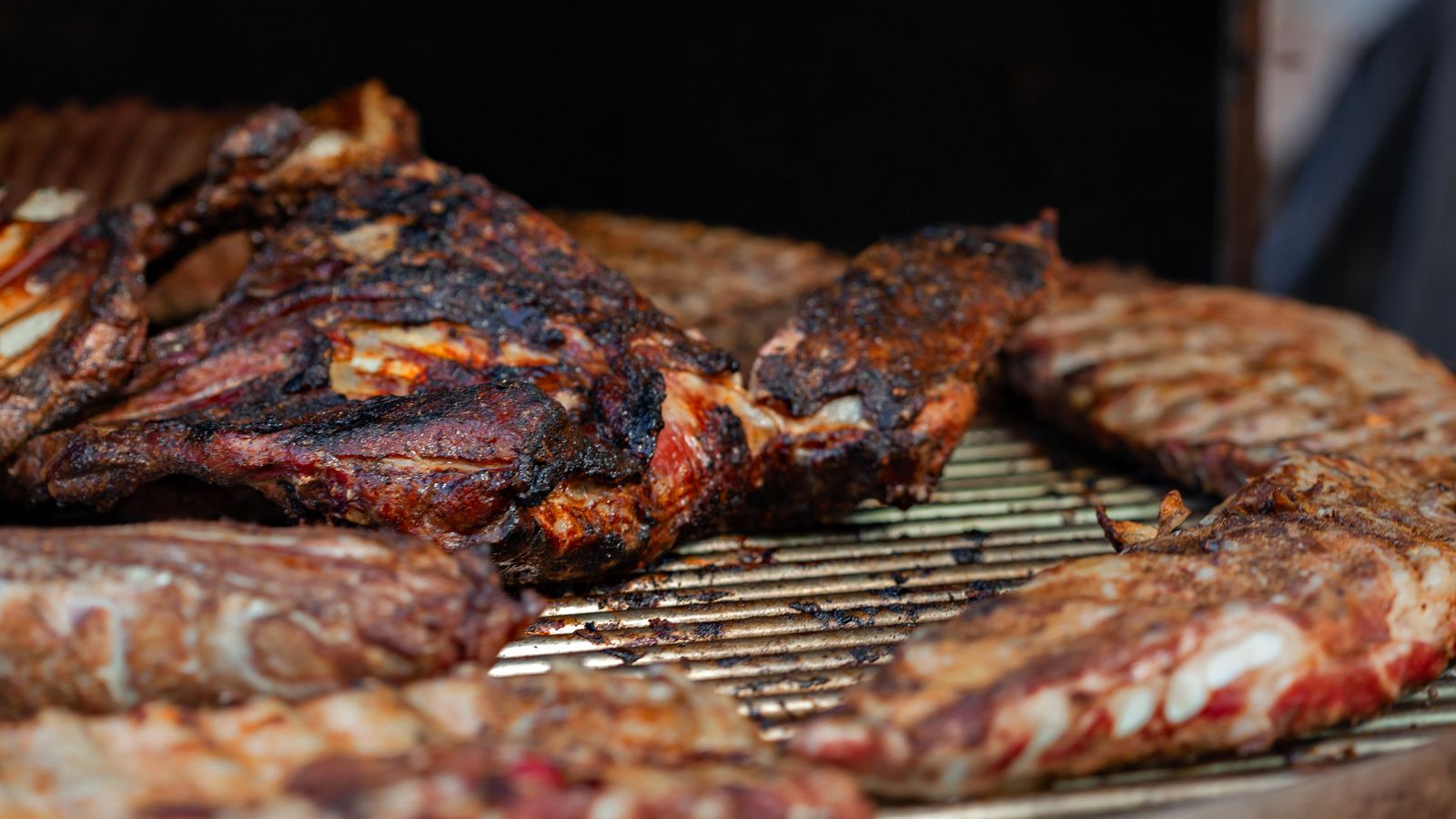
The 3-2-1 Rib Method, and When to Skip It
A foolproof formula for beginners — and the reason experienced cooks stop using it.
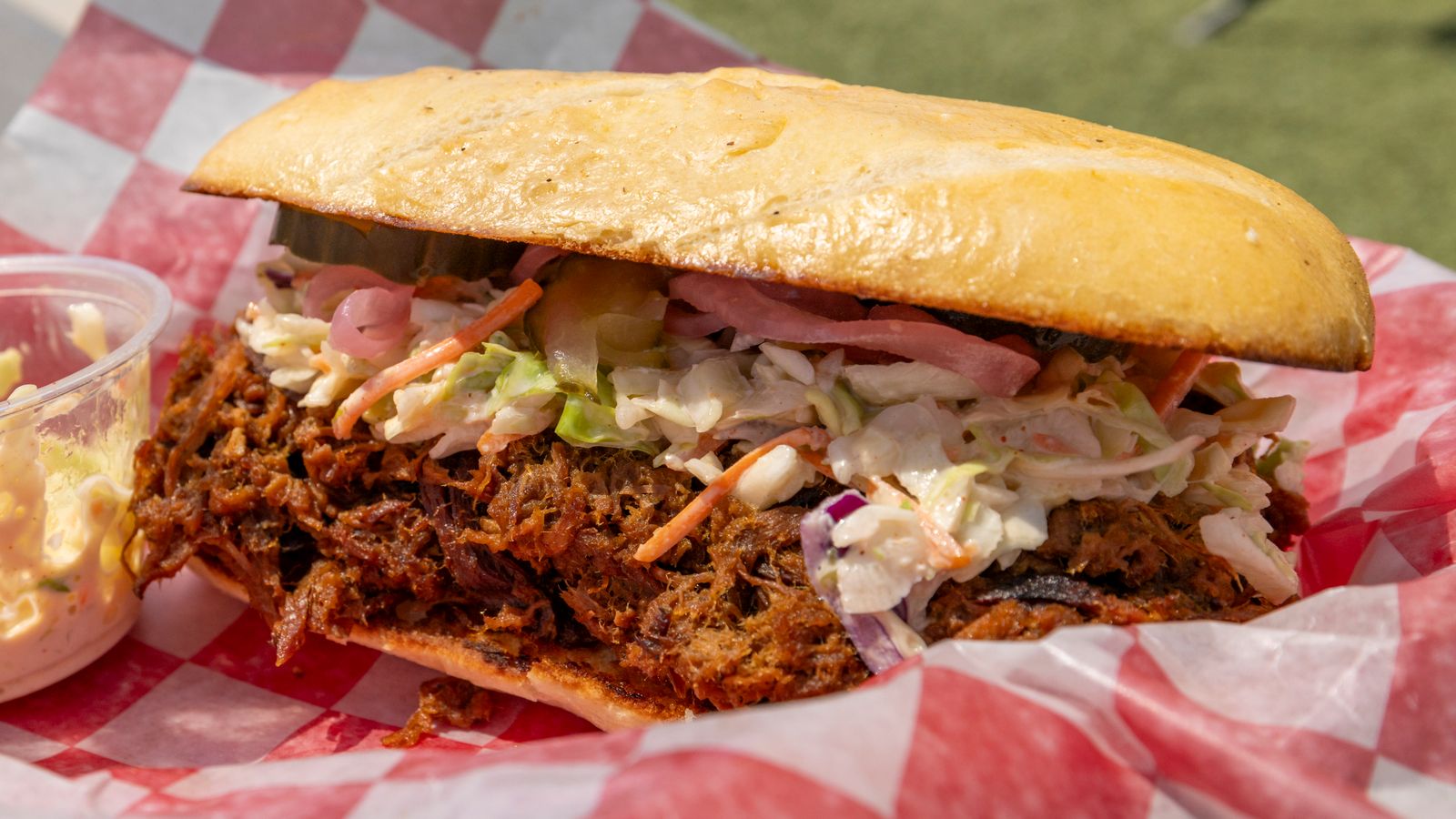
Pulled Pork on a Regular Grill (No Smoker Needed)
A kettle and a couple of wood chunks make a pork butt every bit as good as a dedicated smoker.
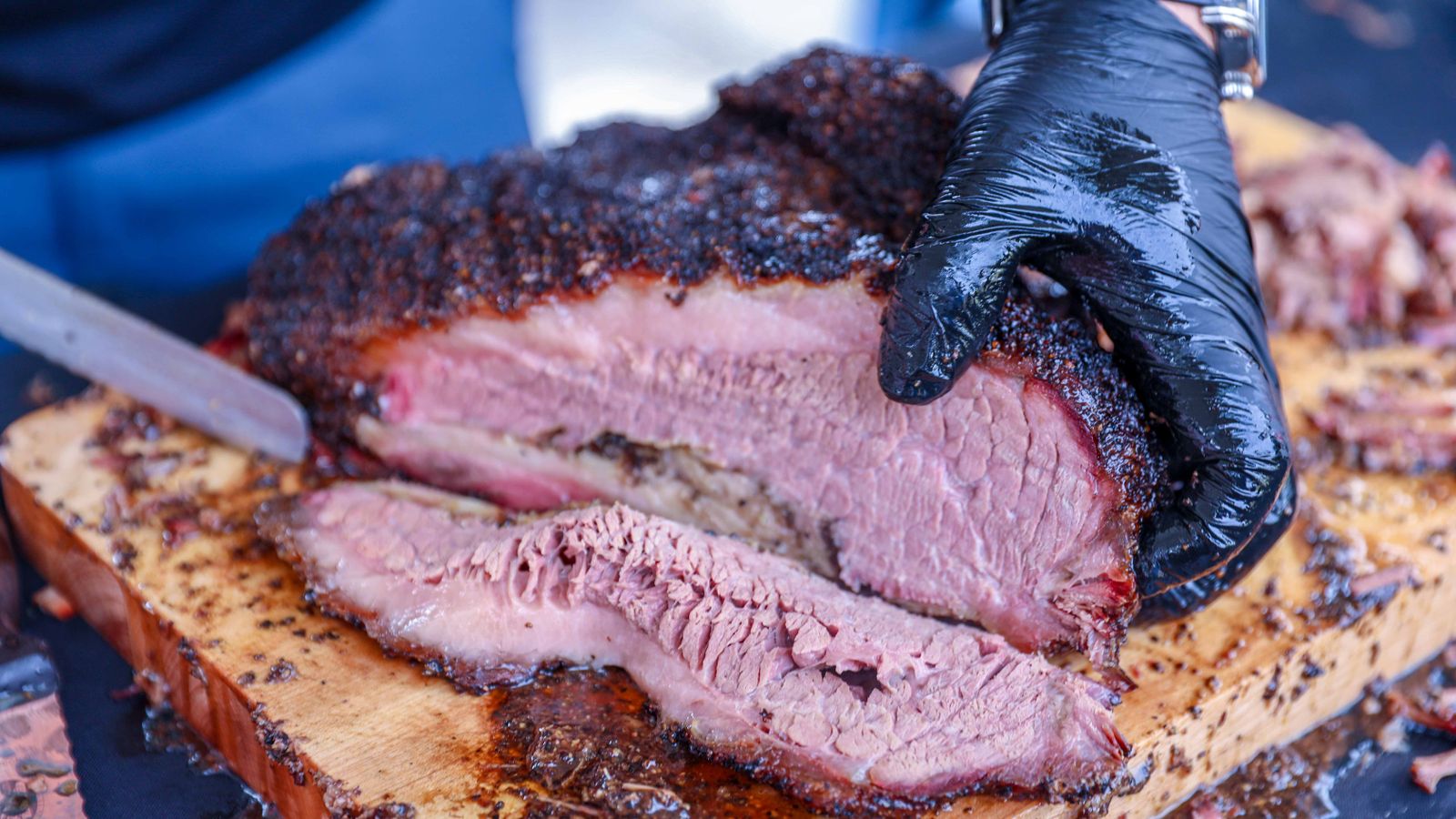
Your First Brisket: How Not to Ruin a $60 Piece of Meat
The three mistakes that turn a beautiful packer into a dry brick — and how to dodge all three.