
Charcoal vs Gas vs Pellet: Which Grill Is Right for You
There's no best grill — only the one that matches how you actually cook.
Ask five people which grill to buy and you'll get five confident, contradictory answers — usually delivered like religious conviction. Here's the honest version: there is no single best grill. There's the one that fits how you actually cook, how much flavor you're chasing, and how much fuss you're willing to put up with on a Tuesday night. Each of the three main types is genuinely great at something and genuinely annoying at something else. Match those tradeoffs to your real life and you'll buy the right one.
The short version: charcoal gives the best flavor for the lowest price but takes the most effort; gas is the most convenient but gives up smoke flavor; pellet makes low-and-slow smoking almost effortless but needs power and pellets and doesn't sear as hot. Pick by how you actually cook, not by which one has the loudest fans.
Charcoal — best flavor, lowest price, most effort
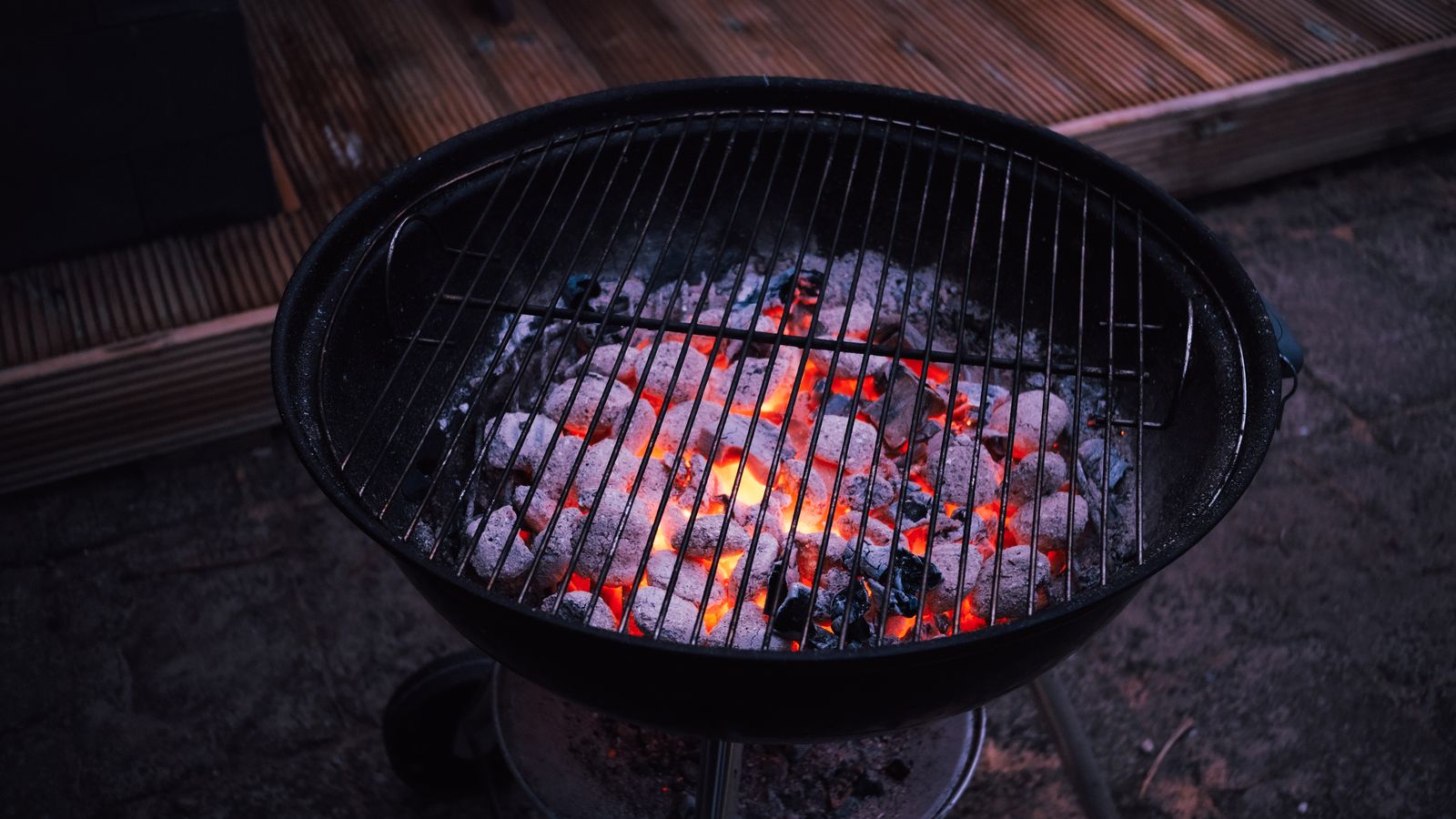
Charcoal burns hotter than gas and delivers that classic, smoky, live-fire flavor that gas simply can't match — it's why so many cooks stay loyal to it. A basic kettle is cheap (a good one costs about what you'd spend on dinner out) and does almost everything, from a hard sear to low-and-slow. The tradeoffs are effort and mess: it takes fifteen or twenty minutes to light, needs some tending to hold a temperature, and leaves you with ash to deal with. If you enjoy the process and want the best flavor for the least money, charcoal is the answer.
Gas — most convenient, least smoke
Gas is about getting dinner done. Turn a knob, push the igniter, wait ten minutes, and you're cooking — with easy, precise temperature control and almost nothing to clean up. For weeknight burgers, chicken, and vegetables, nothing beats it for sheer convenience. What you give up is flavor: you lose most of the smoky character (a smoker box helps a little, but it's not the same), and gas grills cost more up front. If your grilling is mostly "feed the family fast," gas earns its keep.
Pellet — set-and-forget smoking
A pellet grill is essentially an outdoor wood-fired oven: it feeds wood pellets from a hopper into a burn pot automatically and holds a set temperature with a dial or an app, which makes low-and-slow smoking almost effortless. Set it to 225°F, walk away, and come back to smoked ribs — no fire-tending required. It adds real wood flavor, too. The catches: it needs an electrical outlet, you have to keep pellets on hand, most models don't get hot enough for a proper high-heat sear, and they run the most expensive of the three. If your dream is easy brisket and ribs more than a screaming steak, pellet is made for you.
The tradeoffs at a glance
- Flavor: charcoal > pellet > gas.
- Convenience: gas > pellet > charcoal.
- Searing heat: charcoal > gas > pellet.
- Easy low-and-slow smoking: pellet > charcoal > gas.
- Up-front cost: charcoal (cheapest), then gas, then pellet (priciest), roughly.
How to choose
- Chase flavor and don't mind the work → charcoal.
- Want fast, easy weeknight cooking → gas.
- Mostly want easy brisket, ribs, and smoked everything → pellet.
- Sear steaks and smoke low-and-slow → charcoal (or a gas grill plus a cheap smoker box).
Why a lot of serious cooks own two
You don't actually have to choose forever. Plenty of dedicated backyard cooks keep a gas grill for weeknight convenience and a charcoal or pellet rig for the weekend, when flavor and low-and-slow are the whole point. If you're just starting out and unsure, a simple charcoal kettle is the most versatile, most affordable place to begin — it'll sear, grill, and even smoke, and it'll teach you how to work a fire. You can always add a second cooker once you know what you reach for most.
Keep going
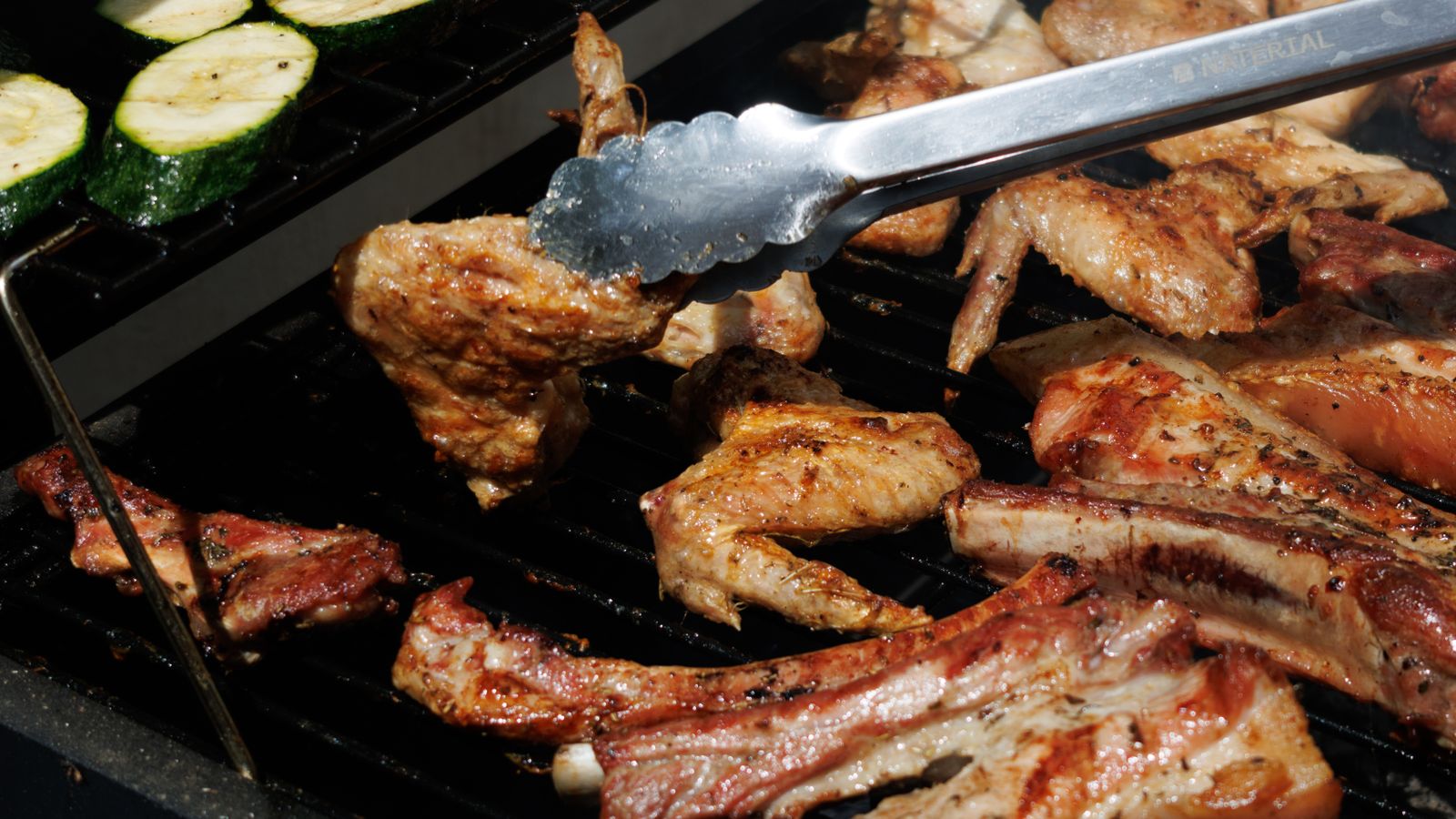
The Only 4 BBQ Tools You Actually Need (And What to Skip)
Skip the 20-piece gift set. These four do 95% of the work.
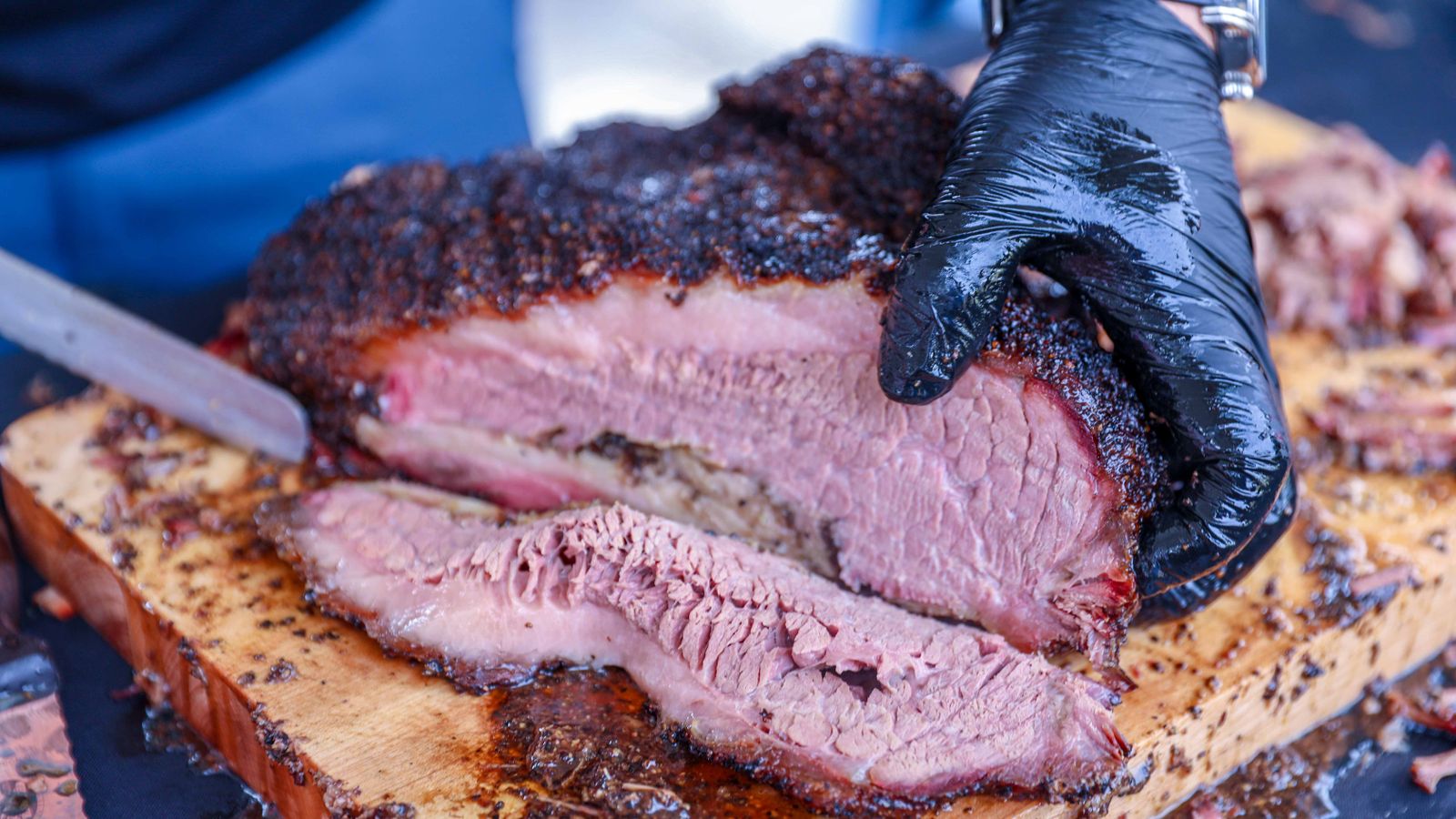
Your First Brisket: How Not to Ruin a $60 Piece of Meat
The three mistakes that turn a beautiful packer into a dry brick — and how to dodge all three.
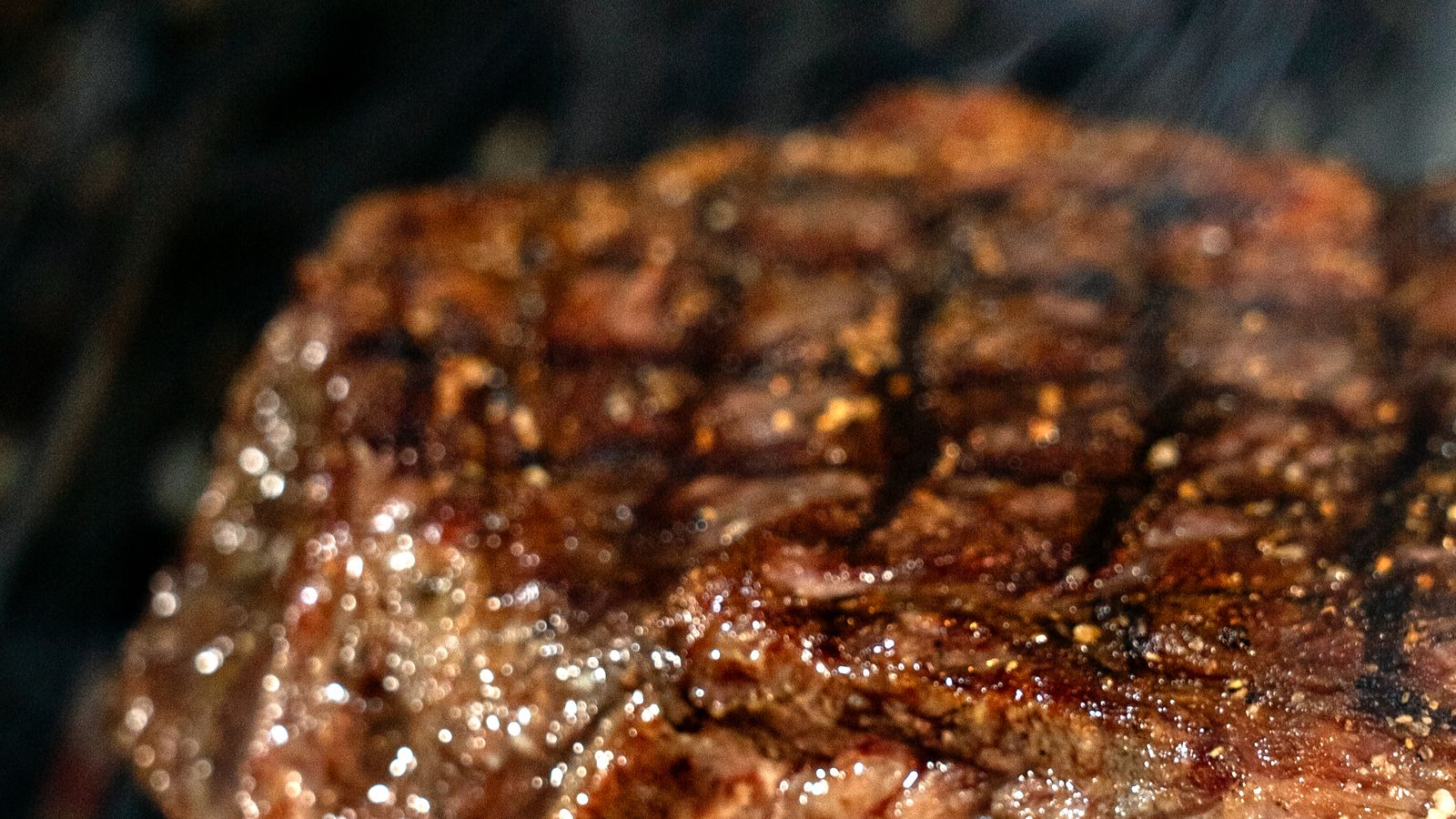
Why Your Steak Sticks to the Grill (And the 30-Second Fix)
It's not the steak fighting you — it's three things you can fix before the next flip.